
VR Funding!
Extremeley happy that the group receives a project grant from the
Swedish Research Council again.
The project will allow us to continue our studies on new approaches to prevent diet-induced defects of the colonic mucus barrier.
Fernström Prize/ Årshögtid!
Receiving the local Eric K. Fernström Prize in Umeå means a lot of celebration! 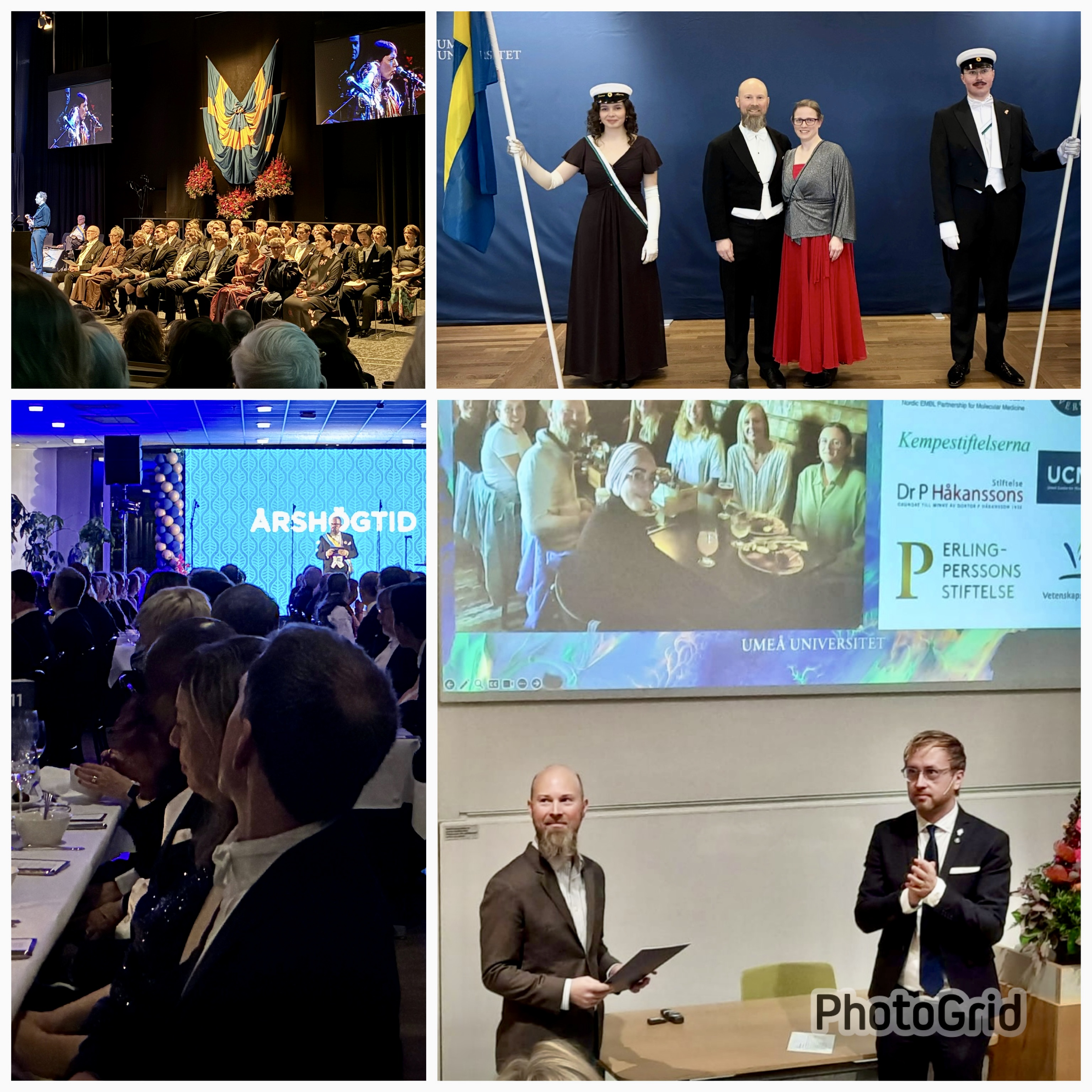
On the Friday before the Årshögtid there is a lunch with the faculty leadership and a reception by the university leadership, which I was invited to join, together with other award recipients and newly installed professors.
On the Saturday, all award recipients present their research in short lectures to the general public, after which the prize is awarded. The celebrations then reach their peak during Saturday afternoon/evening, with a very formal ceremony for newly installed professors, a banquet dinner and finally a party.
It was a wonderful experience to be part of all this, and a big thank you again to everyone who supported me through the last years, my fantastic team and to the person(s?) who nominated me for the Fernström prize!
Celebration!
Many things happened the last months, and we 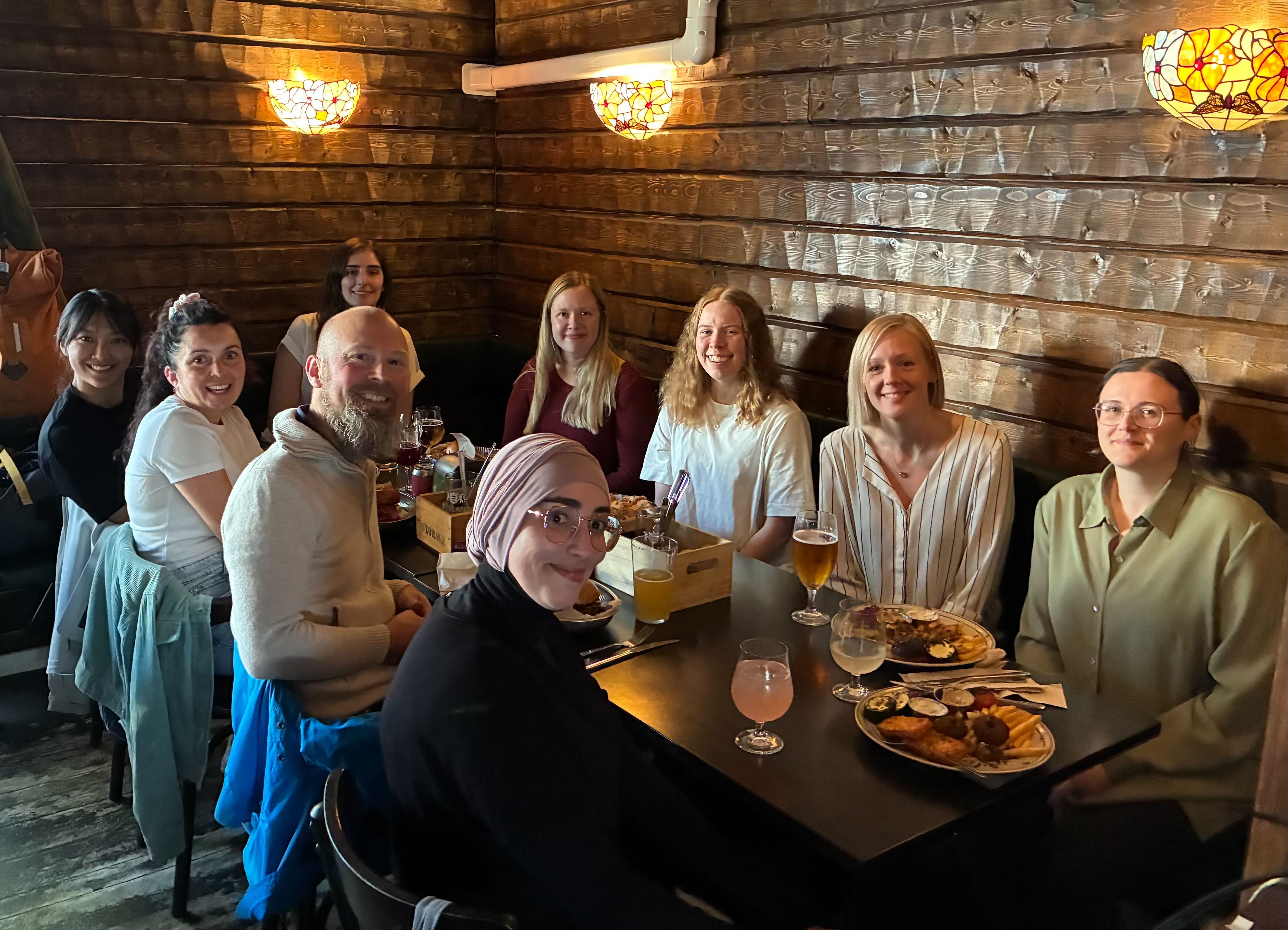 finally found time for a group celebration: We had two papers accepted within a few weeks, two new postdocs joined the group during summer, I was awarded the Fernström Prize, and some more good news to be shared at a later time, were all good reasons for us to celebrate!
And even though our research focuses on the detrimental effects of a Western diet on the gut mucosal barrier, sometimes a good burger or pizza is probably still ok…
Paper alert again!
It is still summertime, but we are happy to share that we got another paper accepted!! 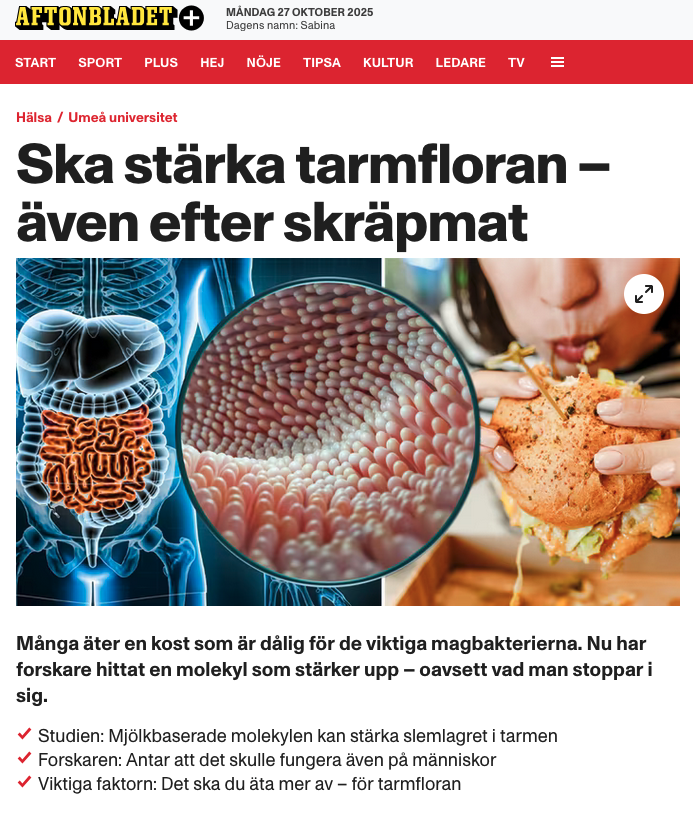 This work, spearheaded by our postdoc Supapit, was a very fruitful collaboration with Arla Food Ingrediens and is now published in
Food Research International.
This work, spearheaded by our postdoc Supapit, was a very fruitful collaboration with Arla Food Ingrediens and is now published in
Food Research International.
We found that casein glycomacropeptide (CGMP), a milk-derived glycopeptide, can restore colonic mucus function compromised by a Western-style diet. Crucially, CGMP’s effectiveness depends on its sialylation level, and highly sialylated CGMP was best in enhancing mucus growth, reducing penetrability, and promoting beneficial gut bacteria like Bifidobacterium.
CGMP treatment also led to increased microbial propionate production, a short-chain fatty acid known to stimulate mucus growth.
Our findings thus highlight CGMP’s potential as a functional prebiotic, offering a promising strategy to counteract diet-induced gut barrier dysfunction and support intestinal health. And since a large fraction of the industrialised population is not eating sufficient dietary fiber, our findings made it even into Aftonbladet, one of the largest daily newspaper in the Noric countries!
Gordon Conference
Summer time is conference time! And for me this  meant Gordon Research Conference on Lactic Acid Bacteria in Ventura, California!
It was a really interesting conference, with many new findings on Bifidobacteria and Lactobacilli, as expected. But to my big surprise there was also a lot of mucus during talks and on posters, not only in my talk. Hence there was a lot to discuss during the breaks or over a beer. And as always at GRCs, the poster sessions were extremely active and I made many new contacts.
So despite the 10-hour transatlantic flight (with almost 24 hour travelling in total) the conference was really worth the trip, and being invited to speak at a GRC is of course always a big honor!
Paper alert!
We are very excited that our systematic study on the factors influencing intestinal antimicrobial peptide expression is now published in Gut Microbes!
In this study we tried to shed light on how diet, obesity, and host factors shape the gut’s 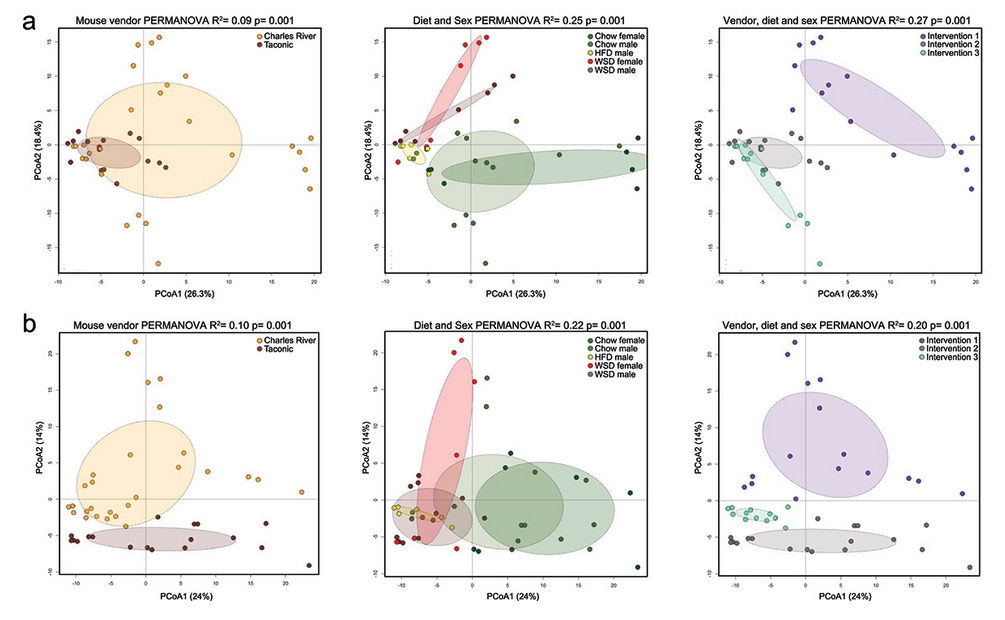 antimicrobial defenses. We found that a Western-style diet (WSD) had a stronger effect on small intestinal antimicrobial peptide (AMP) expression than obesity alone. Factors like mouse vendor, sex, and microbiota composition significantly influenced AMP levels and gut microbial variability.
When then correlating microbiota composition with AMP expression, we noted that the gut bacterium Faecalibaculum bloomed under WSD and we could even confirm that this bacterium triggered the expression of the AMP Reg3g in vivo.
Our findings thus help explaining conflicting results in past studies and highlight the complexity of host–microbe interactions in gut immunity and metabolic health. Moreover, we identified a new bacterium that is able to boos the antimicrobial defense shield in the murine gut.
Big thanks to all co-authors, and in particular to Fabiola for spear-heading this work!!
Fernström Prize!
I am extremely happy to share that I have been awarded the Eric K Fernström Prize for Young, Particularly Promising and Successful 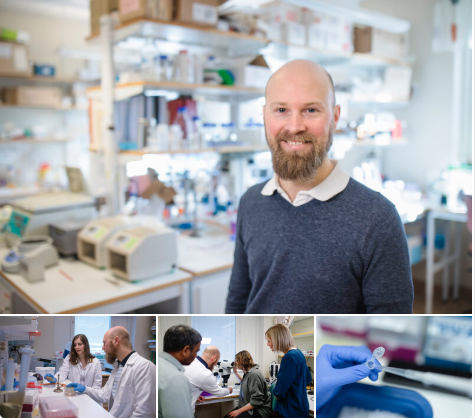 Researchers from the Medical Faculty at Umeå University!! The Prize was a really nice surprise, and a heartfelt THANK YOU especially to my fantastic team, but also to MIMS, UCMR and our collaborators. This achievement is as much theirs as it is mine!
Now I am particularly excited to participate in the official ceremony during the
Årshögtid here in Umeå in October, and then in the national ceremony in November in Lund. Time to wear the tailcoat again!
Gut Microbiota For Health!
This March I was invited to present our recent findings 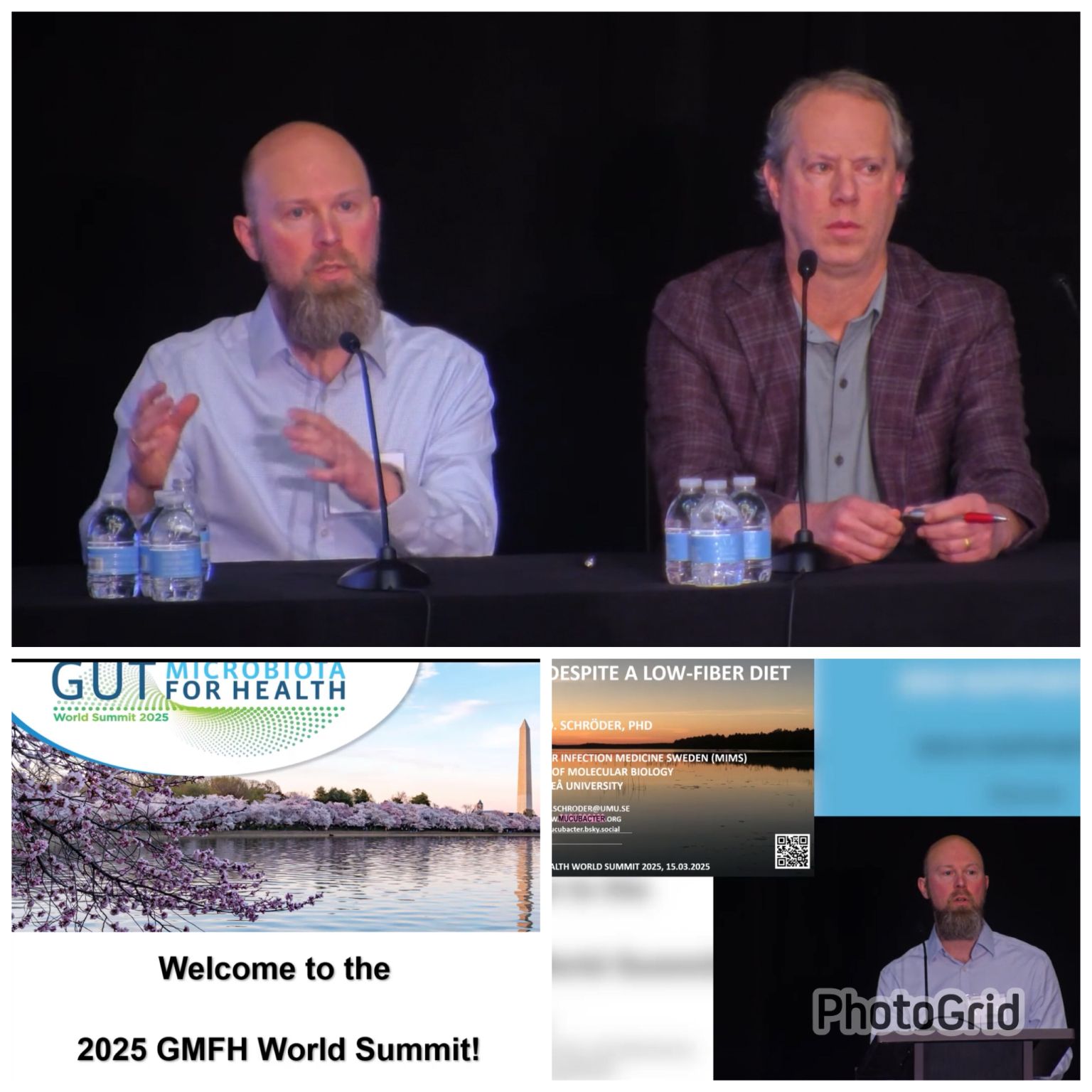 at the Gut Microbiota For Health World Summit 2025in Washington DC. The summit is organised by The American Gastroenterological Association (AGA) and the European Society of Neurogastroenterology and Motility (ESNM) and allowed great discussions between clinicians and basic scientists on diet and gut microbes.Besides my presentation I also got the opportunity to participate in a panel discussion about the quality and quantity of fibre we should eat.
Overall, it was great to catch up with colleagues, and the meeting even resulted in a new collaboration and a seminar invitation. Now I am looking very much forward to next years’ summit in Europe!
Opponent in Finland!
End of February I had the exciting experience being the opponent at Helsinki University,
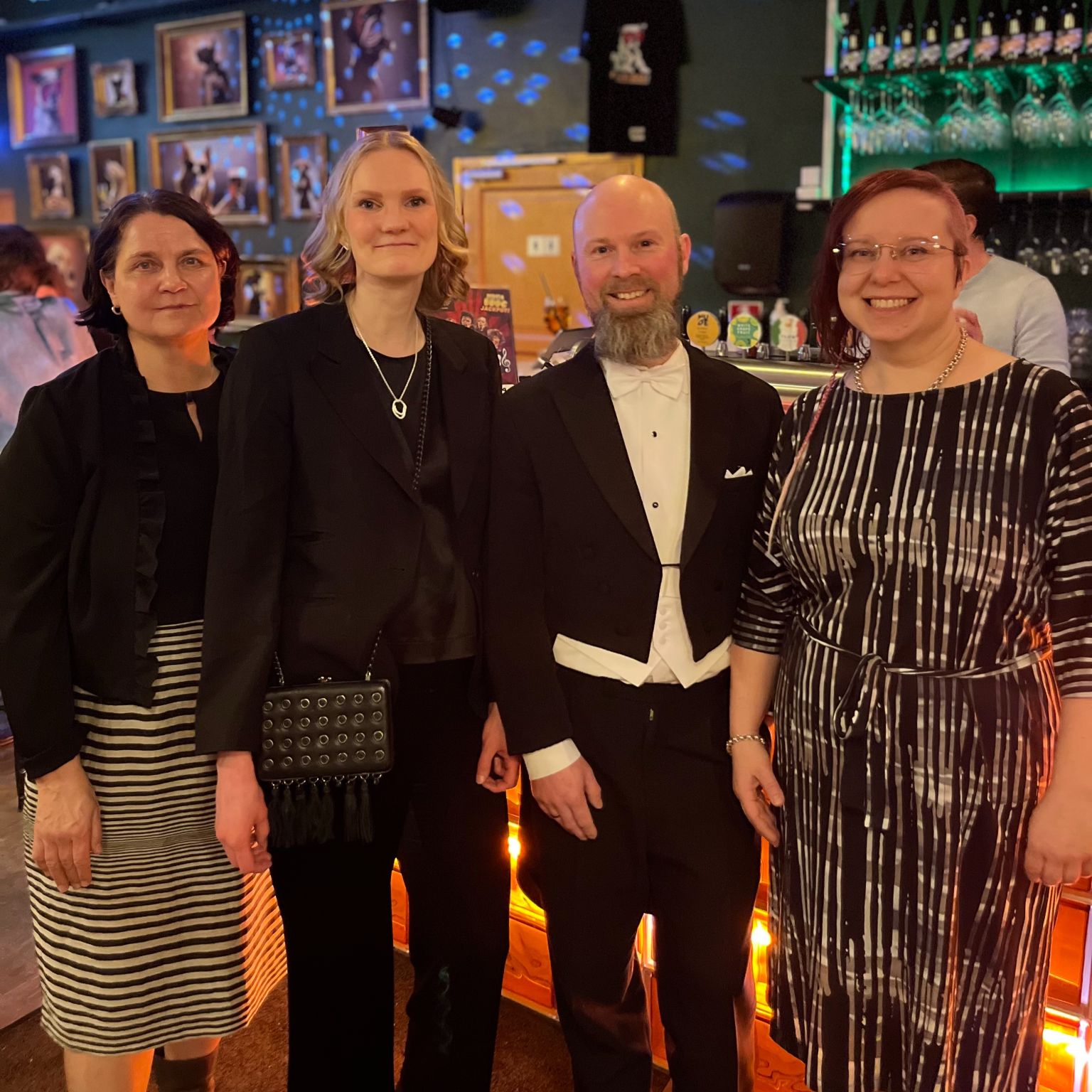 Finland, during Emma Kynkäänniemi’s dissertation.I really enjoyed the formal character of the Finnish defense, and coming from Umeå University, the city of birches, it was even more exciting to discuss birch extract as future prebiotic!
After everything was over, and Emma successfully passed, I even had the chance to listen to some impressing karaoke singing…
Congratulations again Emma, and thanks Anne-Maria Pajari for the hospitality!
Another year has passed!
Christmas time again! 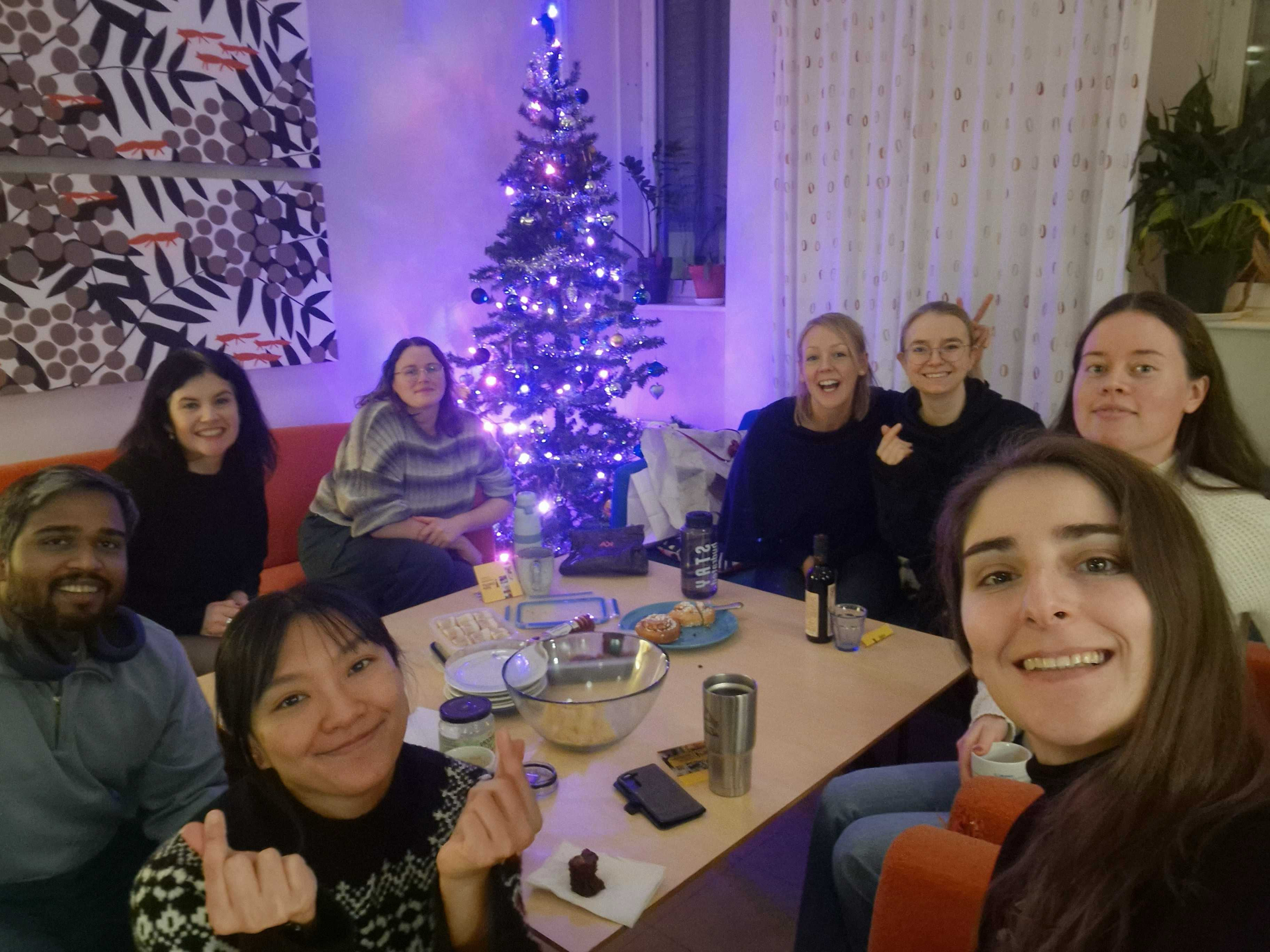 Which allows us to look back to a really successful year! We had our first PhD student graduating, we had important “own” publications published and also contributed to really exciting collaborations. Then, early in the year I received my docent title, and towards the end we received significant funding for the next years. So overall a year we all can be proud of!!
But now it is time for a well-deserved break!
Funding!
Extremely happy to announce that my team got a major grant from Erling Perssons Stiftelse!
The grant will fund our research for three years to study in more depth the intestinal mucus function in health and disease. See the local announcement here!
Besides, we got another three-year Strategic Research Grant from Umeå University to expand our studies on microbial influence on intestinal mucus.
Good times!
Symposium
Busy times! But perfectly 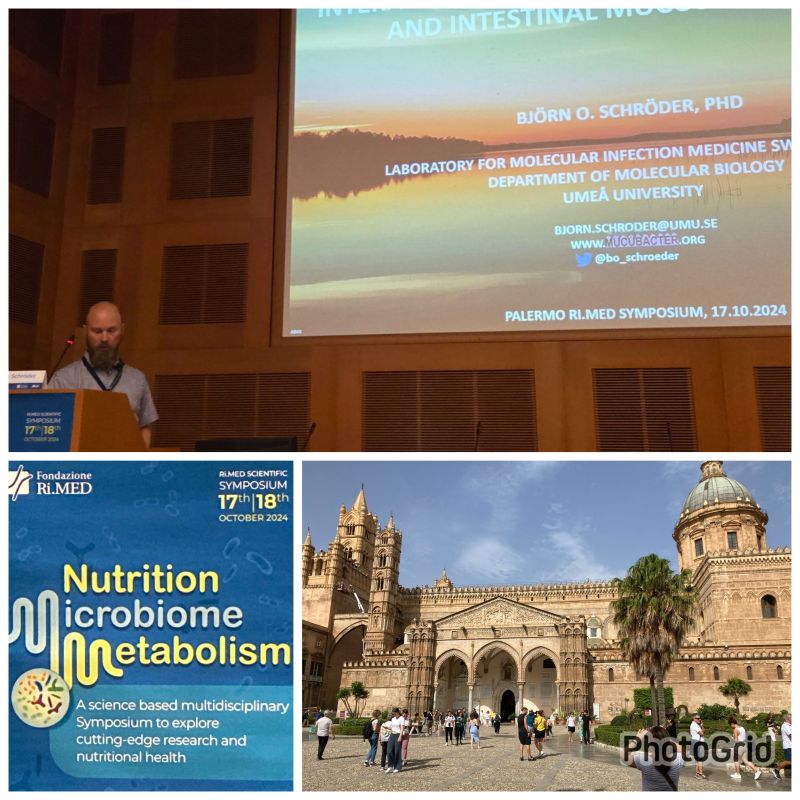 fitting in the dark Swedish fall, this symposium on nutrition, microbiome and metabolism in sunny Palermo, Italy, was an exciting opportunity to meet and discuss with several experts in the field.
The symposium theme was really close to our research, and especially the new personal connections made it absolutely worth the travel. Besides, the Italian food was really enriching our microbiota!
NDPIA Microbiota course. Again!
For the third time now we organised beginning of October the 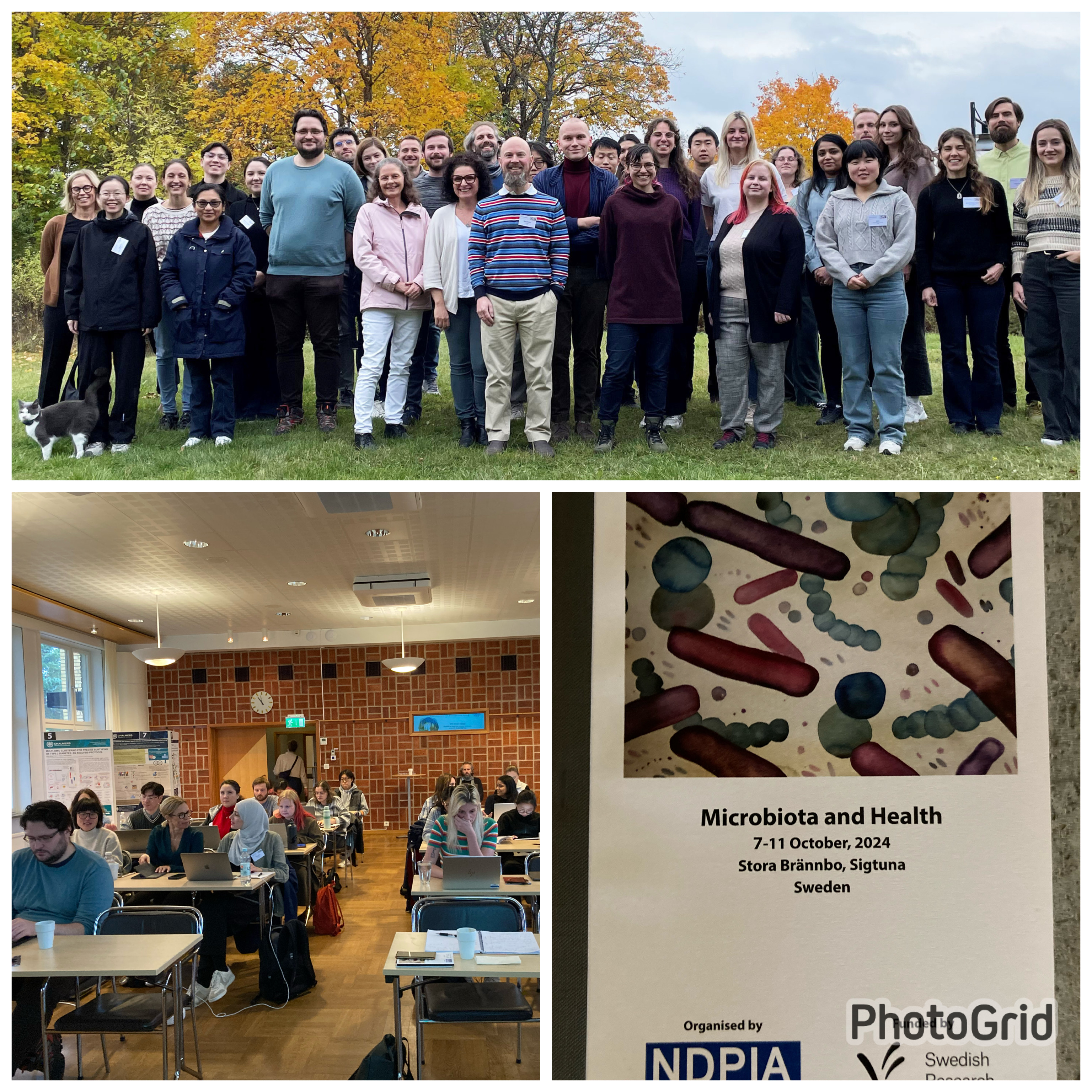 NDPIA course on Microbiota and Health. After the success of the 2022 course close to Gothenburg (scroll below), our 2024 edition of the course moved close to Stockholm.
We had 24 students attending, with the majority from Swedish universities. We were also very happy to have several lecturers returning for the third time, and at the same time having some new lectures on arising topics in the Gut Microbiota field. Also, as a new addition to the program we had for the first time a microbiota analysis workshop, which provided hands-on experience on how to perform computational analyses for microbial communities.
Now, we just got back the evaluation of the course by the participants, and we are over the moon that 100% voted that the course met their expectations of a high-quality course and that 95% would recommend the course to a fellow colleague 🙂
SpotOnFood
Beginning of October I had the pleasure to visit SpotOnFood  in Kristianstad in Southern Sweden.
The event, which was organised by Krinova, an incubator and science park for the food sector, covered almost all aspects in the food chain, starting from local producers and ending with startups that were introducing their latest solutions to improve resilience. Besides an interesting conference day, we also had the chance to visit local innovative producers in the area on an interactive road trip.
.
Even though I was one of the very few researcher (or maybe the only one?), I had really great discussions and learned a lot. And of course I raised awareness of the role of the gut microbiota for health.
SVT visit
End of September my lab was visited by the 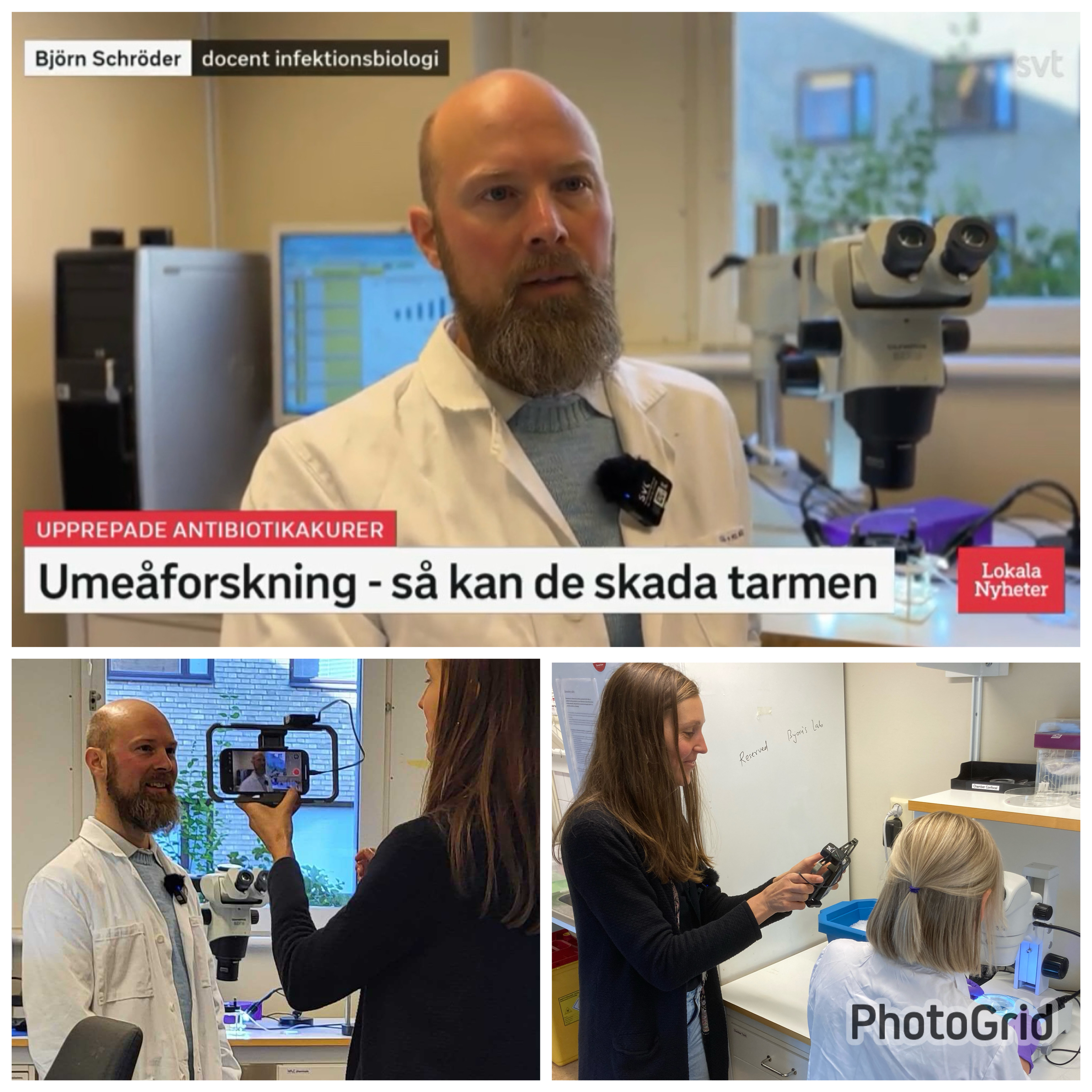 Swedish Television SVT to report about our recent findings regarding antibiotics and mucus function.
In the lab, we prepared some of our routinely used mucus measurements, which came out pretty well on TV. And of course, other lab activities performed by several lab members were filmed as well.
The whole interview was in Swedish, so we needed several takes to make it understandable. But eventually they did not put subtitles in the TV version, which made me very happy!
A short version of the interview is still available online.
Double-Publication alert!!
The year continues with some harvesting time! In two collaborations with Tartu University in Estonia and with Bar-Ilan University in Israel we investigated how antibiotics affect the mucus layer in the gut.
In the collaboration with Tartu University we identified that humans who had gone through repeated courses of antibiotic treatment in the past had a gut microbiota that could lead to damages of the colonic mucus layer layer. We transplanted stool samples from such individuals from the Estonian Microbiome Cohort into mice, in which we then investigated mucus function. In comparison to mice transplanted with microbiota from humans who have not taken any antibiotics within the last ten years, the mjucus layer iof the antibiotic-shaped microbiota had increased penetrability and lower mucus growth rate. The study was published in Gut Microbes
In the second study that was headed by Shai Bel we additionally found a microbiota-independent effect of antibiotics on mucus function. We only played a minor role in this work, which identified that antibiotics induce endoplasmic reticulum stress in the colon that inhibits colonic mucus secretion in a microbiota-independent manner. The study was published in Science Advances.
So taken both studies together, antibiotic intake can have direct and later consequences for intestinal barrier function, and maybe there is even a link to the development of inflammatory bowel diseases. Since this is an important finding, our results were reported by several newspapers, including Svenska Dagbladet and even Aftonbladet.
Publication alert!
Finally online!!  Our work on how the commensal gut bacterium Blautia modulates much function is now published in Nature Communications!
In this study, we teamed up with colleagues from Technical University of Munich, Germany, and transplanted stool samples from individuals who increased their daily fibre intake by ca. 14 grams, into mice. We found that the microbiota of these individuals after increased fibre intake were more efficient in maintaining the protective mucus function when mice were fed a low-fibre diet. Microbiota sequencing pointed towards a role of Blautia, and we confirmed in mice that Blautia coccoides could indeed induce mucus expansion.
We then teamed up with FIMM at Helsinki University to perform metabolomics, and this analysis identified short-chain fatty acids as the relevant microbial metabolites for mucus expansion. Finally, by using intestinal tissue, we found the short-chain fatty acts receptor FFar2 as the target receptor on the host side.
This study kept us busy for quite some time, and we are now very happy and relieved to have it finally published!
First PhD student graduated!!
What a moment!! On June 14th our first PhD student  Fabiola Puértolas-Balint defended her PhD thesis.
Fabiola was the very first member of the lab, which makes this moment even more special. From the beginning she has strongly contributed to the high standards of the lab, and throughout her journey she has impressed everybody around her with her knowledge and bright mind.
Congratulations again Fabiola, your PhD is more than deserved, and you were excellent, as always! 🙂
Celebrations!
Time for celebrations! March has been a very good month this year. First, the lab turned 5, and after I was positively evaluated during 2023 by a panel of international infectious disease researchers, my time as a MIMS group leader will continue for another 4 years.
Second, just on time within my initial five-year period I received my docent title. This achievement, which is probably most popular in Sweden and Germany (“Habilitation”) certifies that “the holder has reached an academic level that is equivalent to an associate professor/reader and has the competence to teach, supervise and assess students at all levels of the academic system, including doctoral education.”
Third, and most excitingly, a major paper from the group that had kept us busy for quite some time has finally been accepted. If you want to have a sneak-peak already, you can find the preprint here.
Lab Retreat
Fresh air clears the mind, so we took a nice breeze on the Baltic Sea with the
Mateus lab.
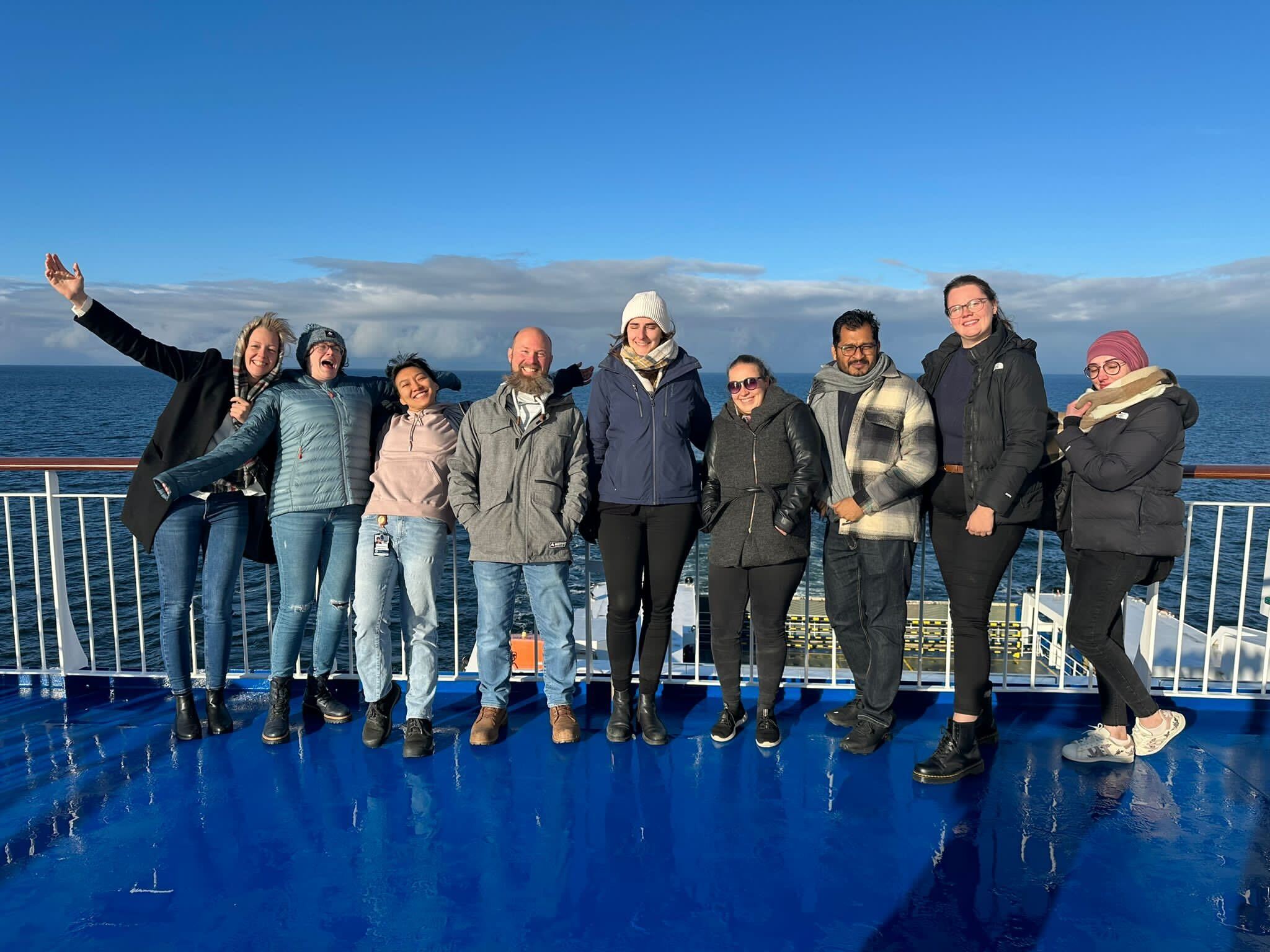 To foster interactions and collaborations between our group and the team of André Mateus, we organised a bright conference room with unspoilt sea view on the ferry boat between Umeå and Vaasa to discuss methods and projects of our two groups.
Everyone from the labs gave some brief updates in insights in their projects, and finishing with a proper seafood dinner, the day resulted in closer connections and some concrete ideas how to collaborate on future projects.
UCMR Retreat
UCMR is the Umeå Centre for Microbial Research and promotes interdisciplinary molecular and translational 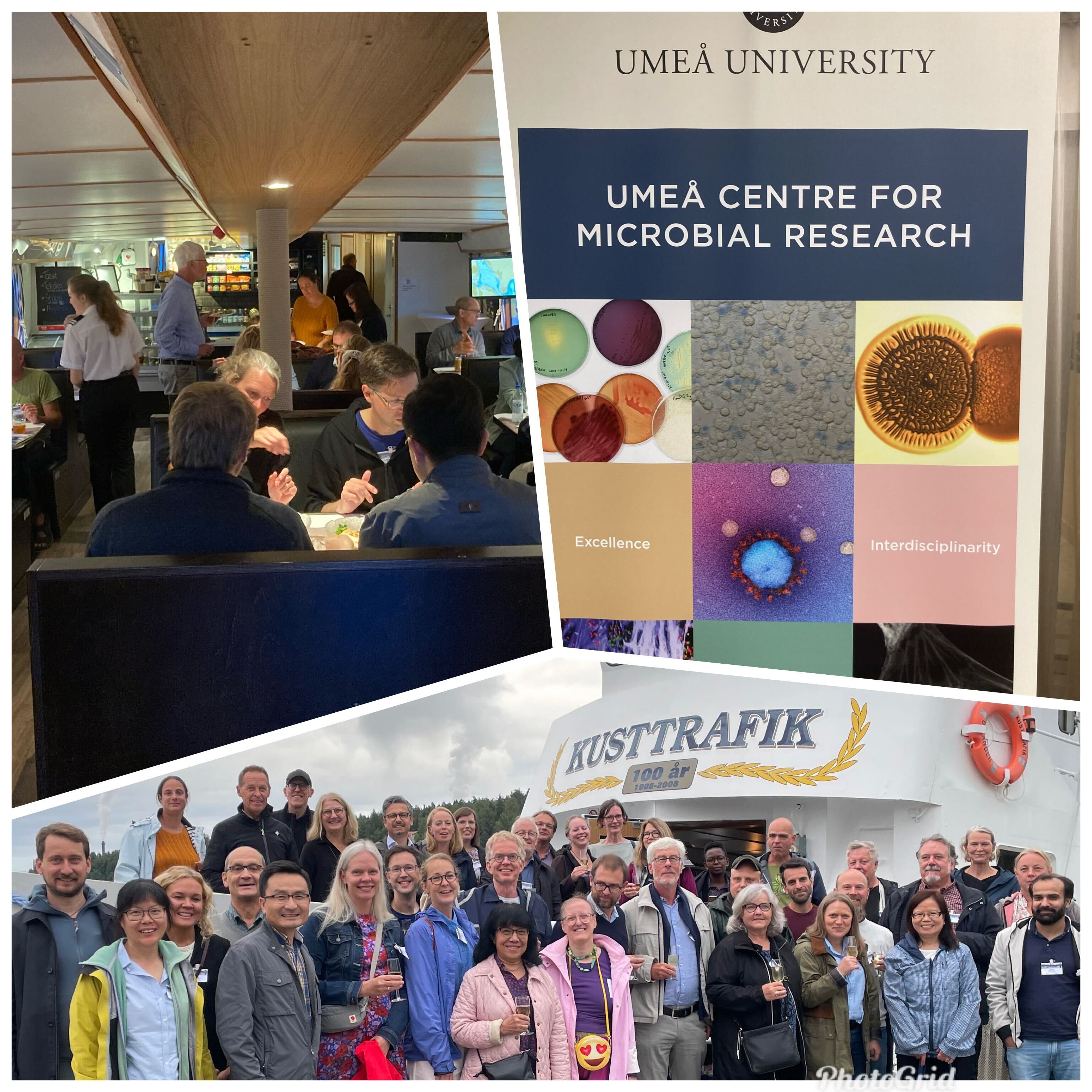 microbial research and brings together 66 active research groups in infection research at Umeå University.
But one thing that has always been a bit difficult was concrete interactions with the clinicians in the hospital. Therefore, UCMR organised a lunch-to-lunch retreat in Örnsköldsvik, down south directly at the High Coast of Sweden. And as hoped for, the retreat succeeded very well to make new collaborations and to discuss future directions.
Certainly, the beautiful surrounding of the archipelago of the High Coast during the dinner cruise did also contribute to the great atmosphere during this event.
Publications!
The year started extremely exciting with one publication per month accepted or published! Unfortunately it won’t go on like this…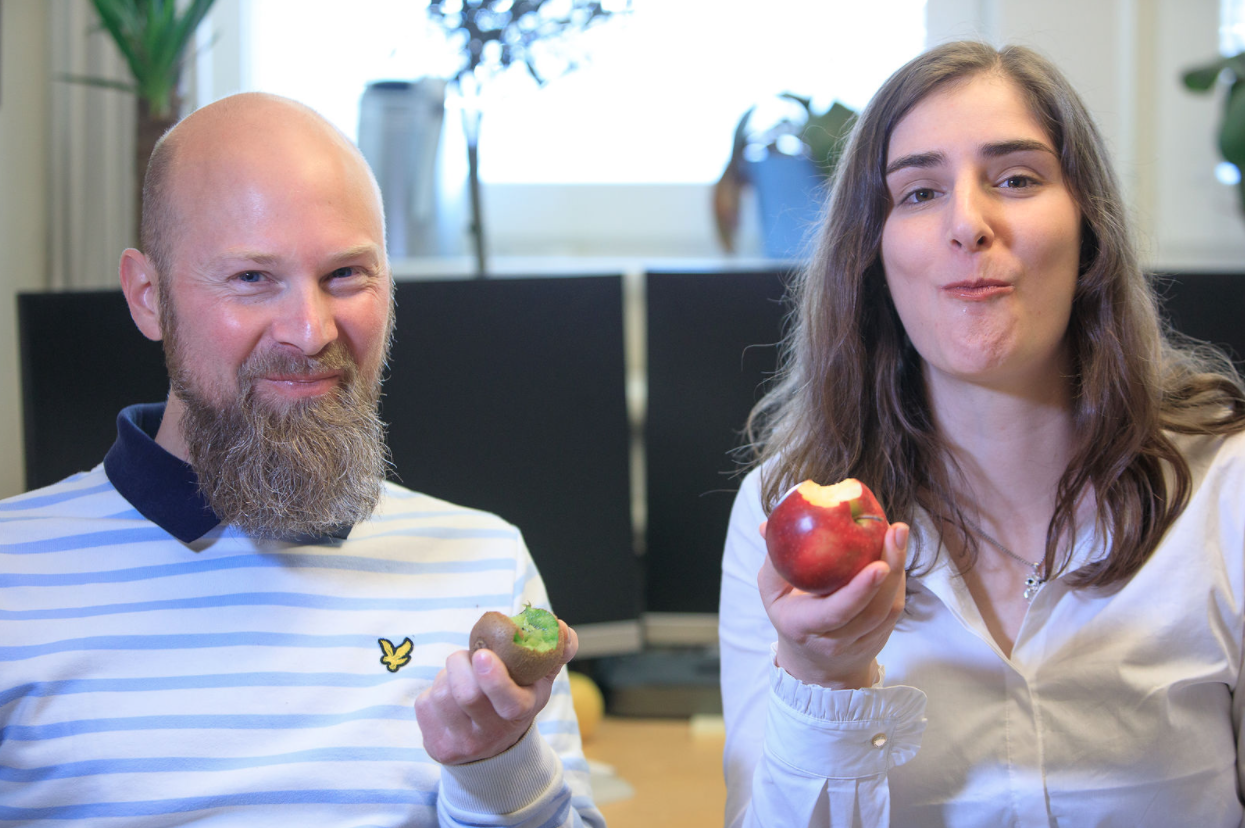 The first one is a long-standing collaboration with friends and former colleagues from Gothenburg, in which we looked into diet-mediated changes of the jejunal mucus layer in mice. The publication in Cell Reports can be found here.
For the second story we contributed some mucus measurements to shed light on how autophagy controls mucus secretion from intestinal goblet cells by alleviating ER stress. The project was led by Shai Bel and the publication can be found here.
The third one is the first own story from the lab and is part of Fabiola’s PhD thesis. We looked into how diet and AMPs influence the small intestinal microbiota composition, and to our surprise we found only very little influence of the AMPs. Curious? Read the story
here.
GRC Antimicrobial peptides
What a great honour to be an invited speaker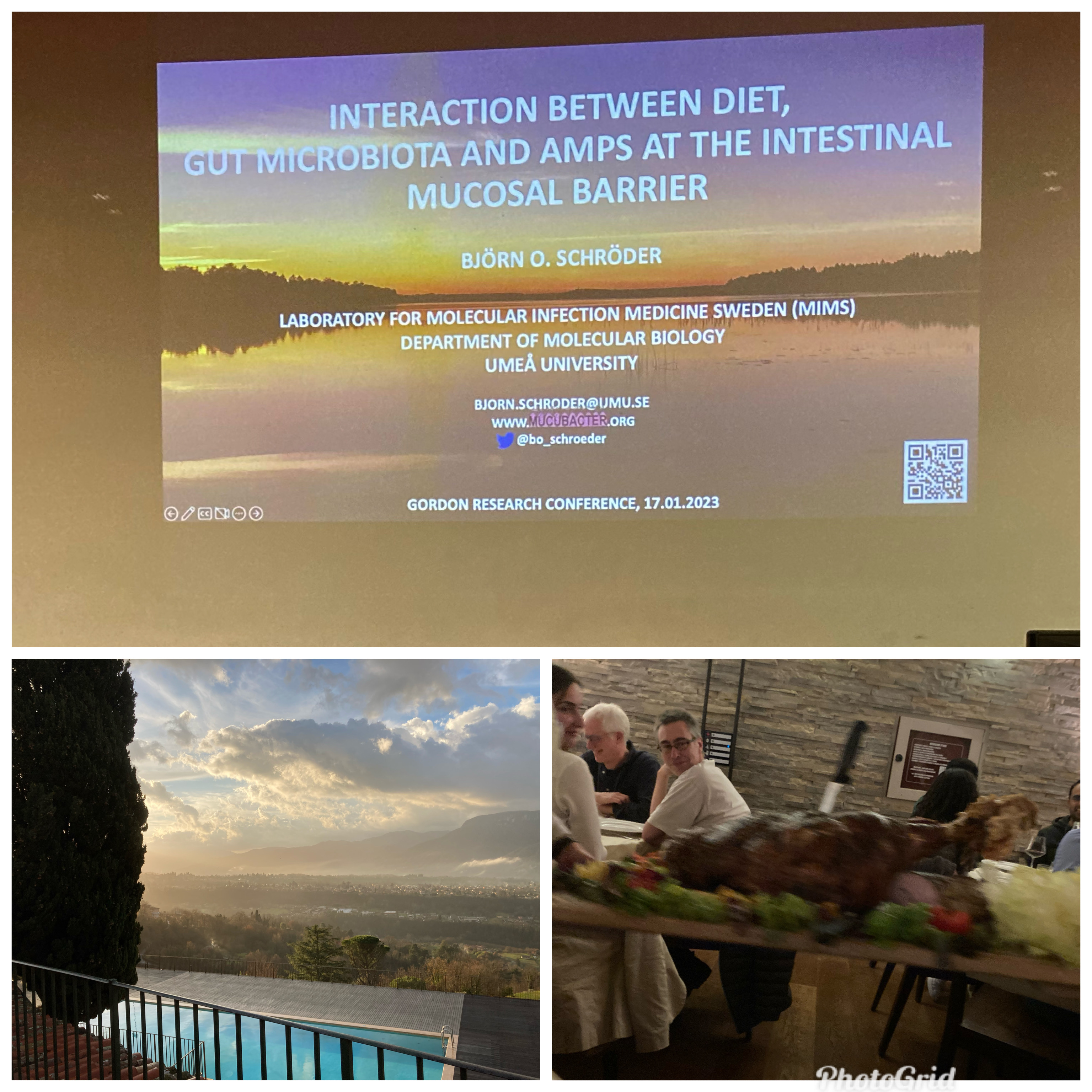 at the Gordon Research Conference on Antimicrobial Peptides in beautiful Lucca, Italy.
After not being able to join the recent meetings it was so nice to finally catch up again with the AMP community and the roots of my PhD work. This time, of course, a great chance to present and discuss our recent work on how AMPs interact with the small-intestinal microbiota.
And besides the top class science of course there was a bit time to enjoy the great views, tasty wines and delicious food of Tuscany.
Welcome Vicky, Vishnu and Sahab Ram!
During the last couple of months, the team grew again with the recruitment of three postdocs: Vicky joined us in September, Vishnu in November and Sahab Ram in December. 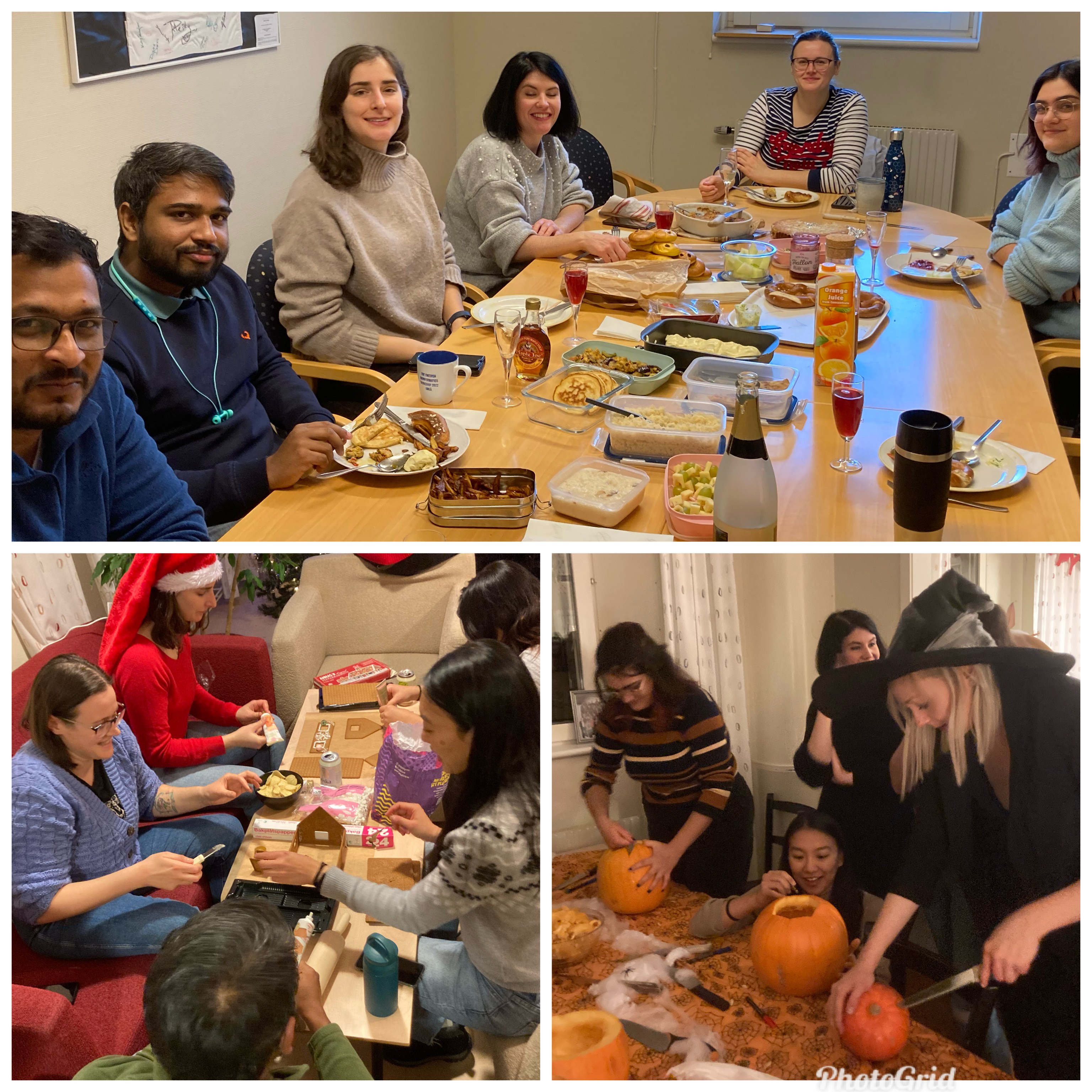 More infos about the background of the three new postdocs can be found in our Team section!
While the fall/winter might not be the easiest time to settle in Northern Sweden, once it gets lighter again one knows that the worst period has already passed. Also, to make the dark period more tolerable and to meet colleagues, the department organised some social events to carve a pumpkin for halloween or to build a ginger-bread house for Christmas. And of course, we also had our traditional Christmas breakfast in the group with delicious food from all over the world.
PhD course on the Gut Microbiota
We did the first 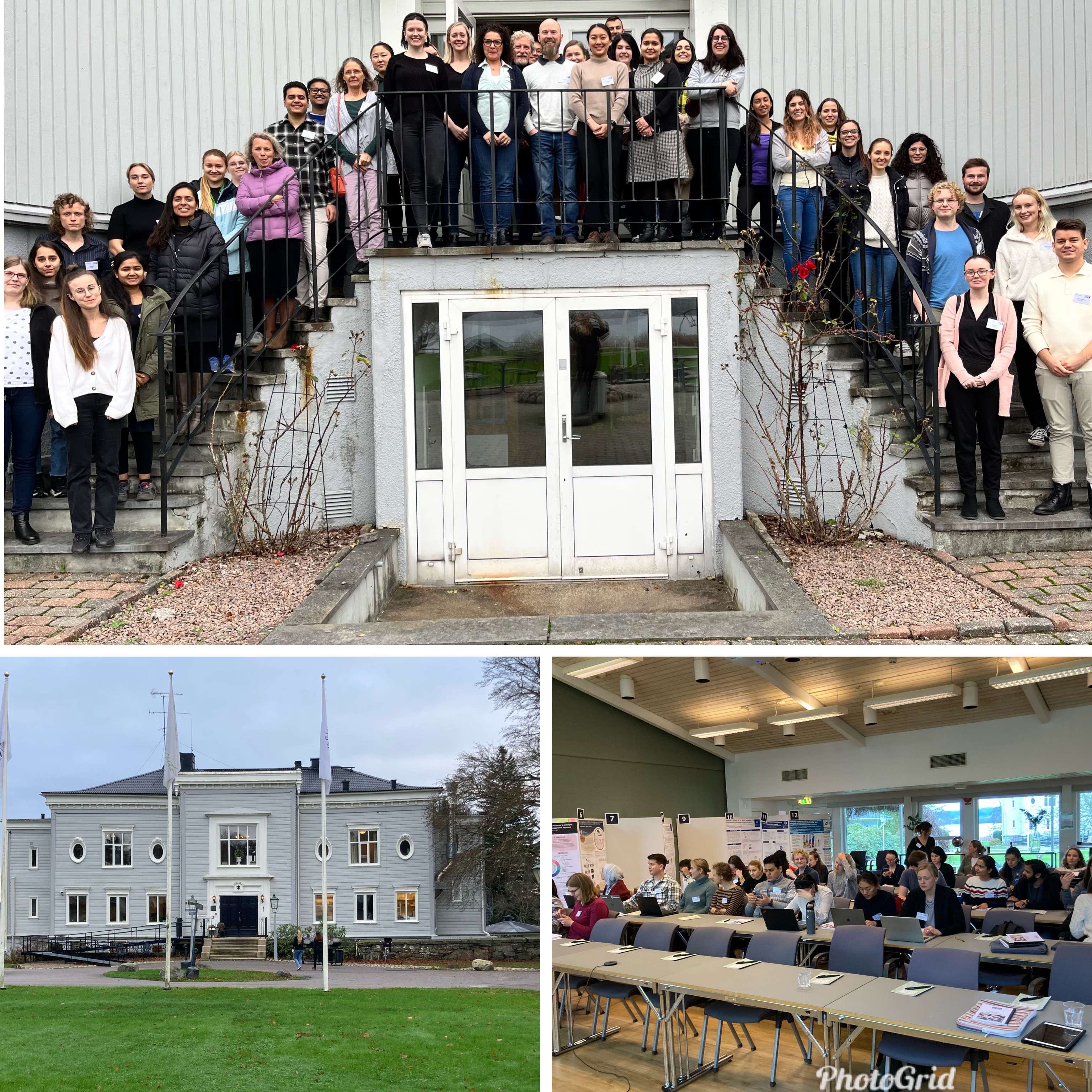 NDPIA course on Microbiota and Health during the pandemic in 2020, and at that time the course was fully virtual. So we were extremely excited to repeat this Microbiota course with a new group of PhD students and postdocs, but this time in-person in Aspenäs, close to Gothenburg. While the vast majority where participants from Sweden, we also had students coming from Norwegian and Estonian universities.
Already before we officially started with the course, we were overwhelmed how well the students connected with each other and how fast they started discussing at the posters. 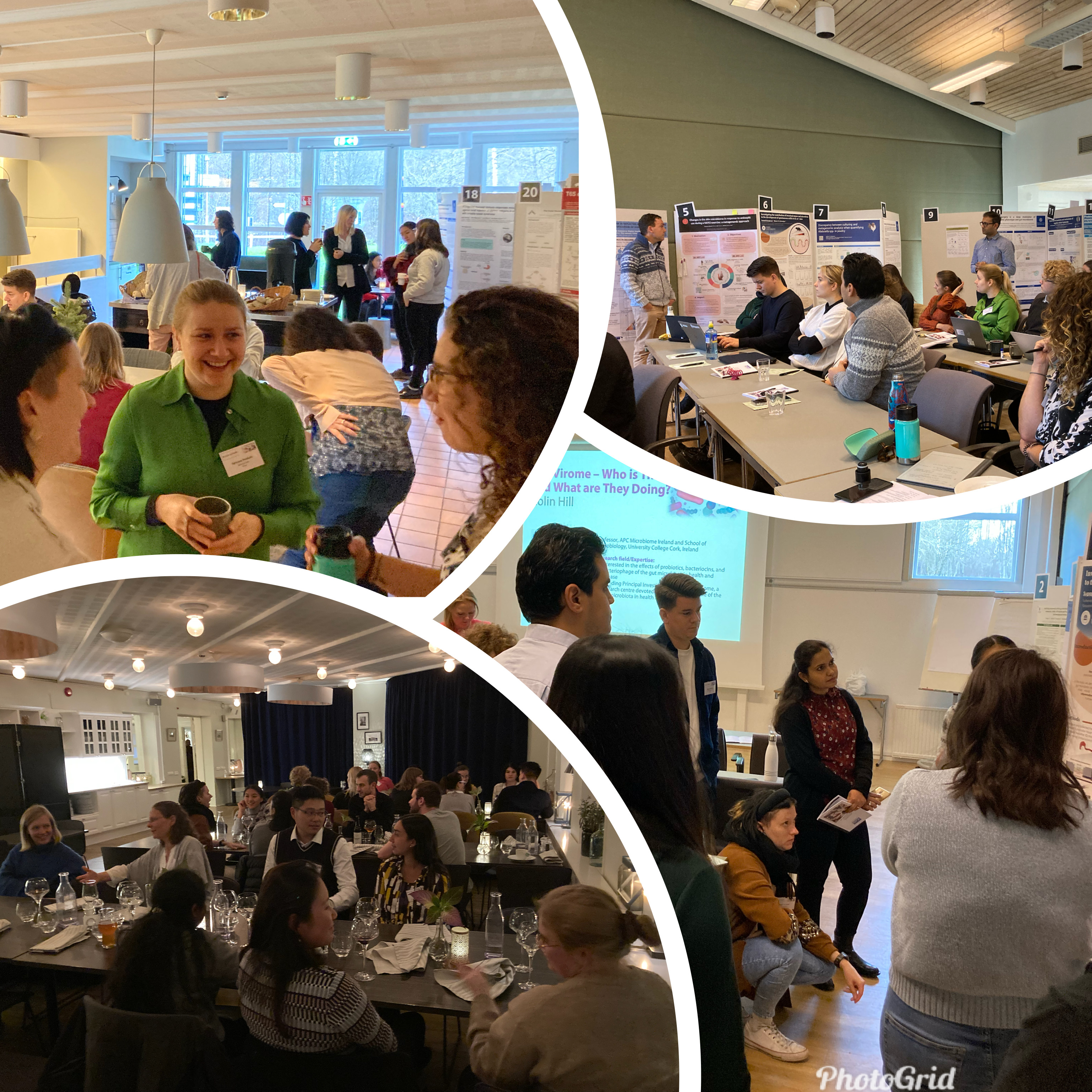 This great atmosphere then also continued during the course, where we were joined by excellent world-known speakers from the microbiota field.
Even though our first virtual course was already much above our expectations, this in-person meeting gave so many more networking opportunities between the students and also with the speakers, of which several stayed for a couple of days. And based on the feedback from speakers and students, we are already thinking to repeat the course in a few years.
7th International Symposium on Antimicrobial Peptides
After postponing the AMP symposium 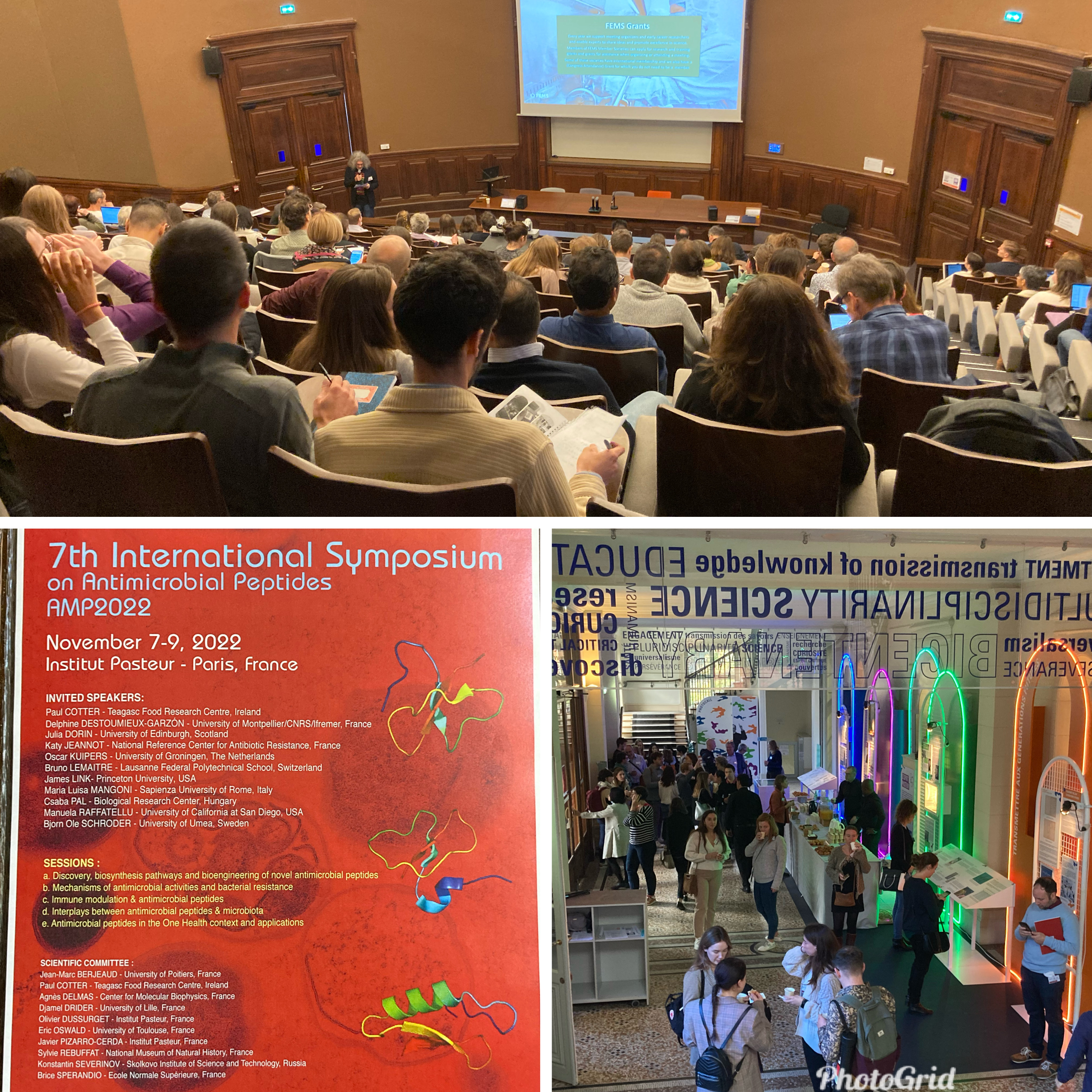 for more than 2 years, it finally took place as an in person meeting at the beautiful Institute Pasteur in Paris. During the three days Fabiola and me had the chance to listen to many exciting talks, discuss at the posters and connect again with old and new colleagues in the AMP field.
Besides the science, another highlight was of course the dinner cruise on the Seine, with a very close view on the illuminated Eiffel Tower with its light show. Not to forget the delicious food and wine, of course…
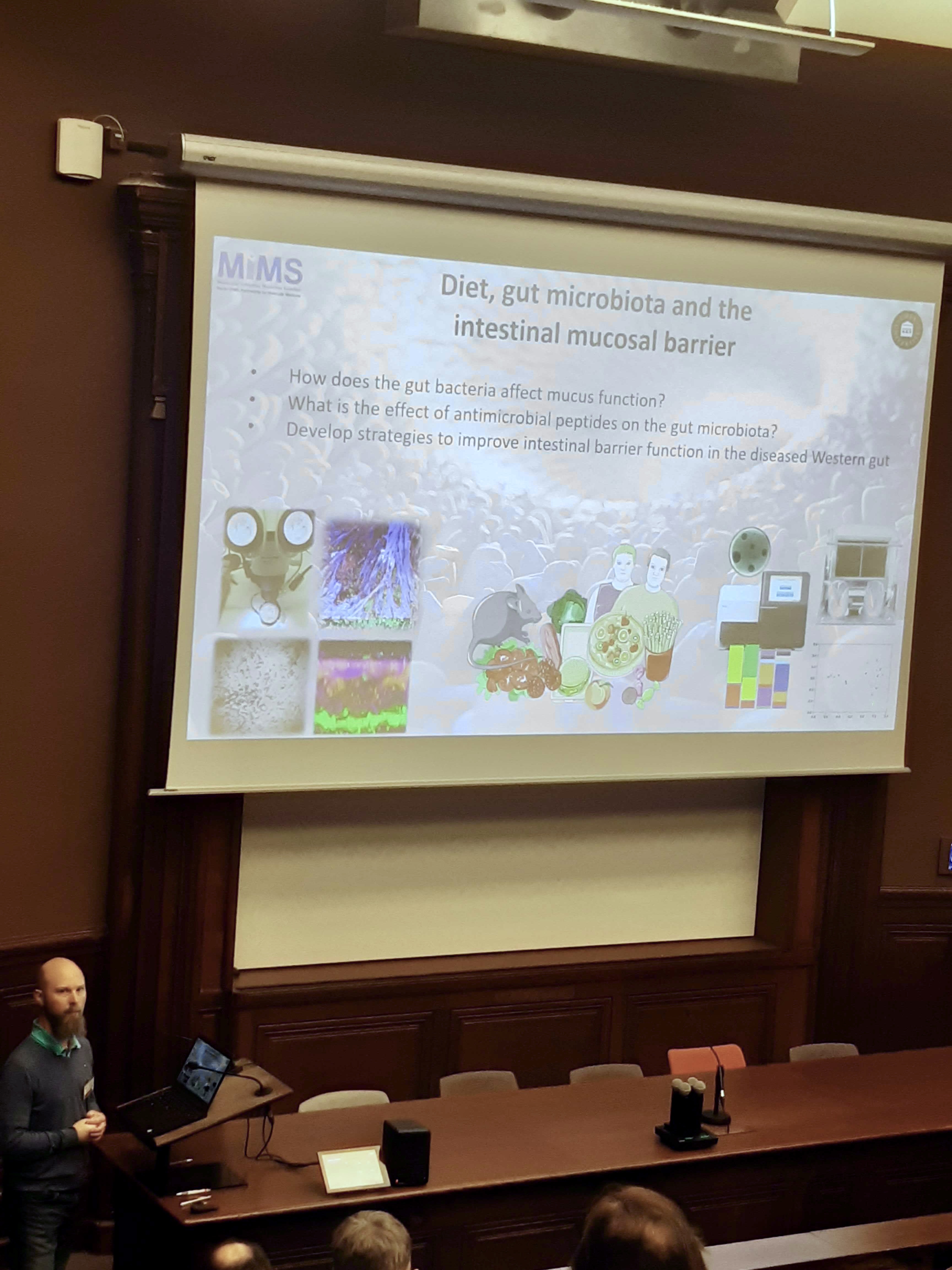 And as I visited Institute Pasteur as an intern in 2006 for 2 months, it brought up great memories to be back at that historic place and to visit some part of Paris again.
Outreach
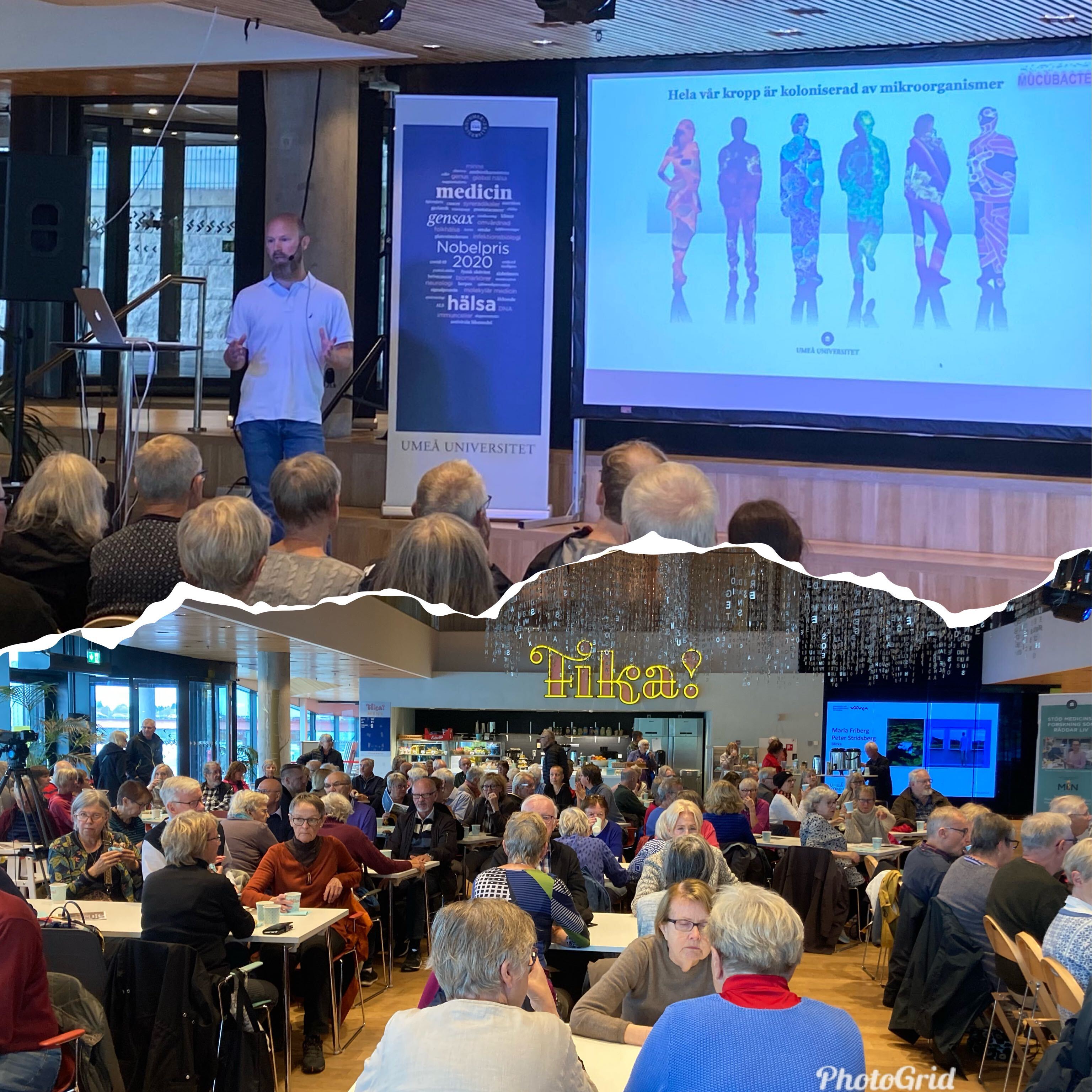 September is the month for outreach activities all over Europe, and of course Umeå University also has some activities.
This year I was invited to participate in Fika efter en Forskare and discuss with the interested public about gut microbiota, diet and the protective mucus layer.
The cafeteria in “Väven” in downtown Umeå was really full with interested people who had very good, sometimes even challenging questions. Even more, the event was completely held in Swedish, so I could also practise my Swedish language skills.
Further south in Eslöv/ Skåne the Dr. P. Håkanssons Foundation 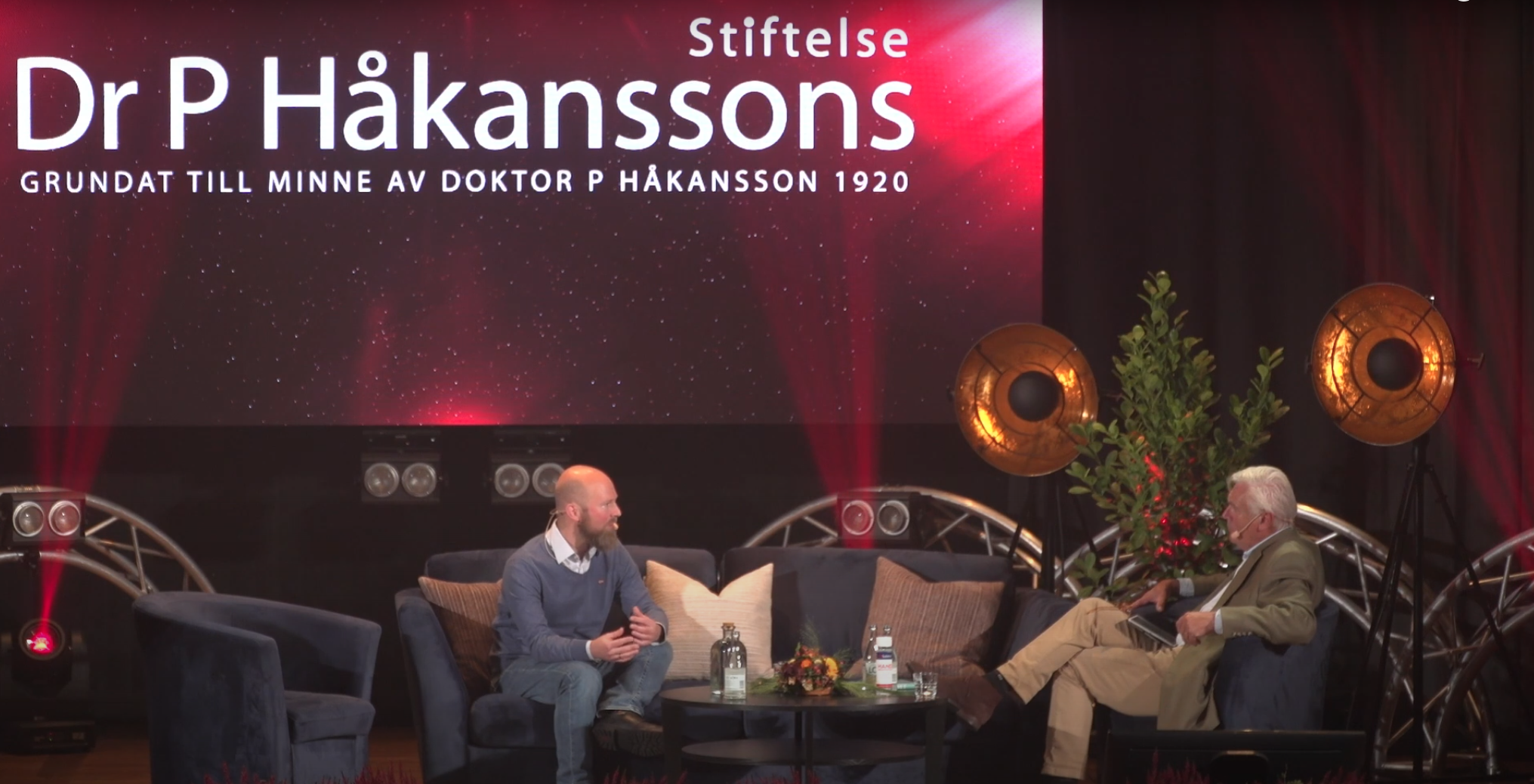
held a ceremony to award their annual fellowships and I was lucky to receive this award the second time. Again, the event was completely in Swedish and this year I was invited to give a presentation about our research in a popular science event before the ceremony. The famous Medborgarhuset in Eslöv  was filled with interested people, but this time they could not ask their questions directly. Instead, journalist and moderator Jesper Aspegren grilled me about how Western diet affects our gut bacteria and whether we can still eat burgers without having a guilty conscience.
I hope the audience enjoyed the discussion as much as I did. Also, I was really impressed by the nice stage they had prepared, I had never given a presentation on such a nice one before!
Mucin Conference in Utrecht
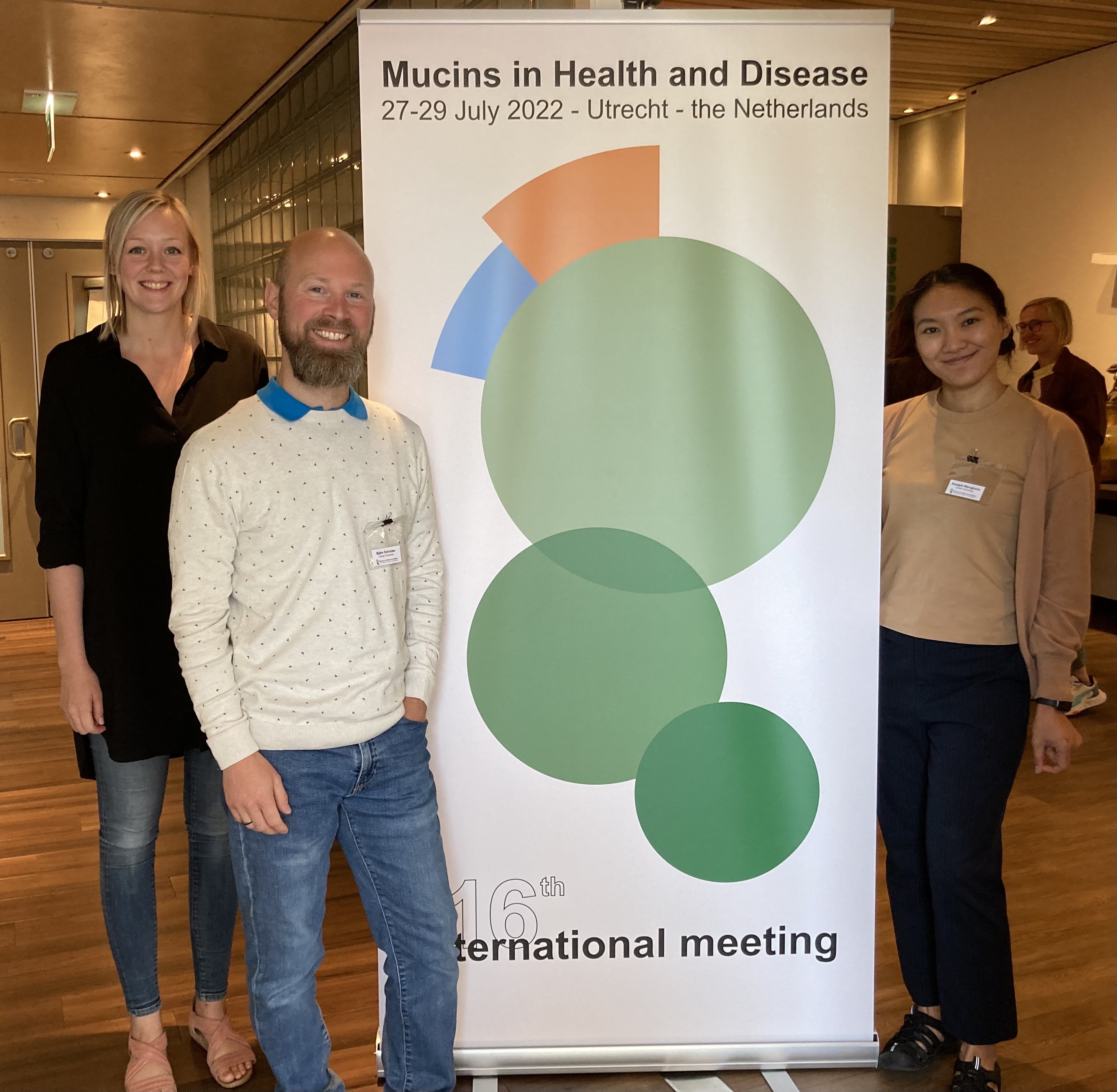
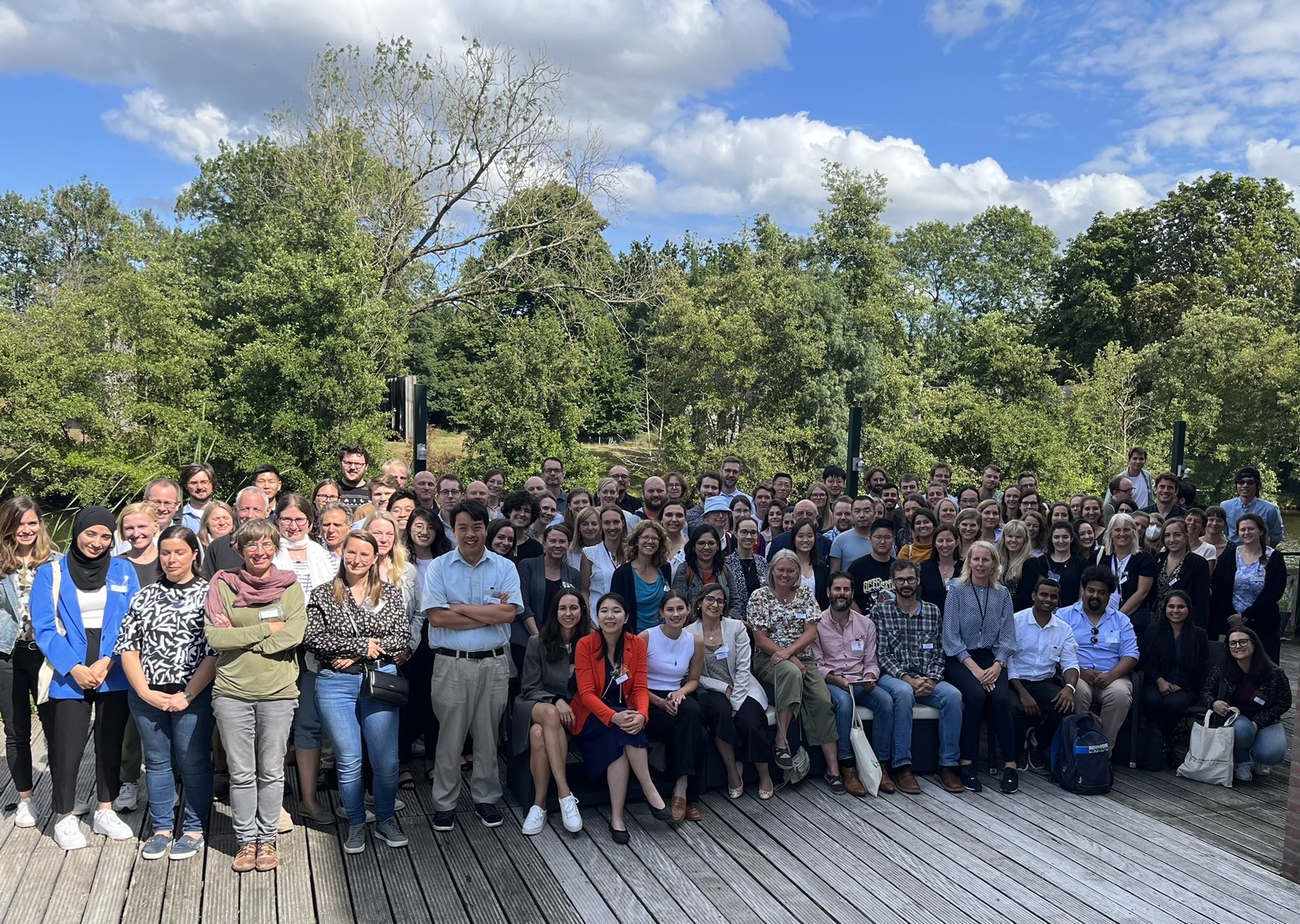
We finally had the chance to travel to an in-person conference again, and even better, it was about mucins! In addition to the really interesting talks and great poster discussions, it was so nice to catch-up with old friends and colleagues and meet new people. Not to forget the great party, of course.
Ribosomes and Antibiotics Conference
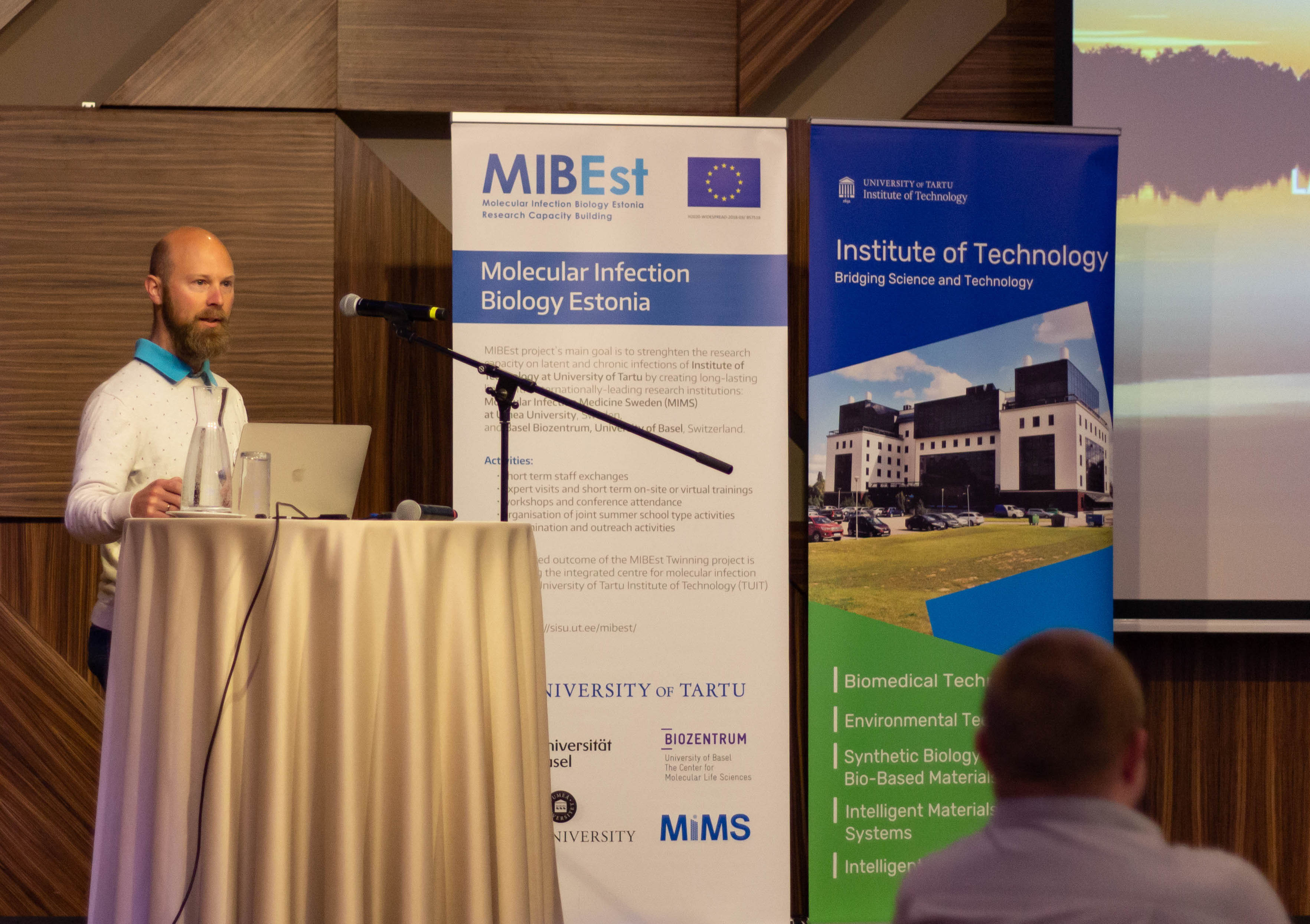
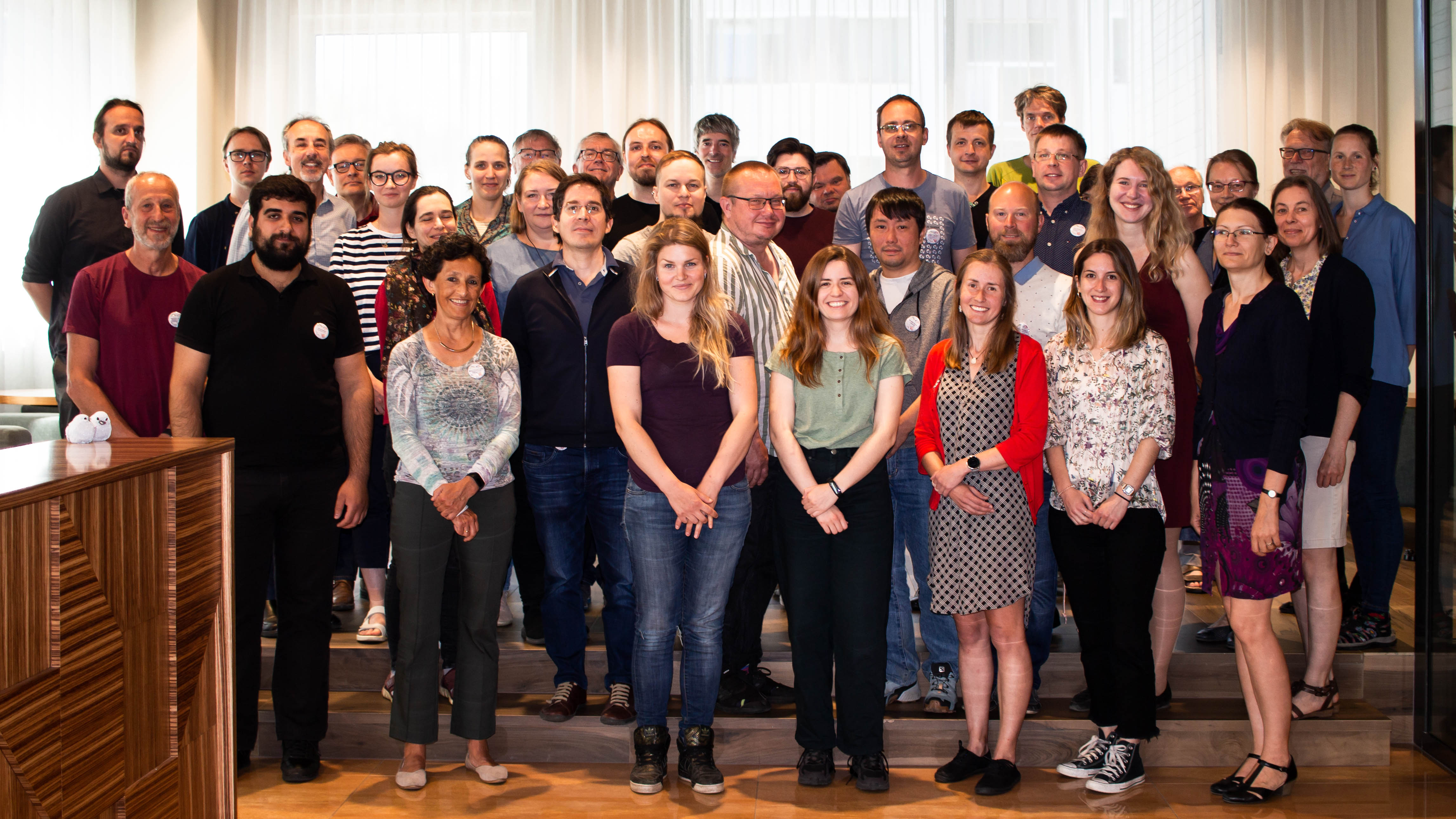
After the trip to Tartu University in March, it was again time to visit our MIBEst partner Institute of Technology (TUIT), this time for the conference on Ribosomes and Antibiotics.
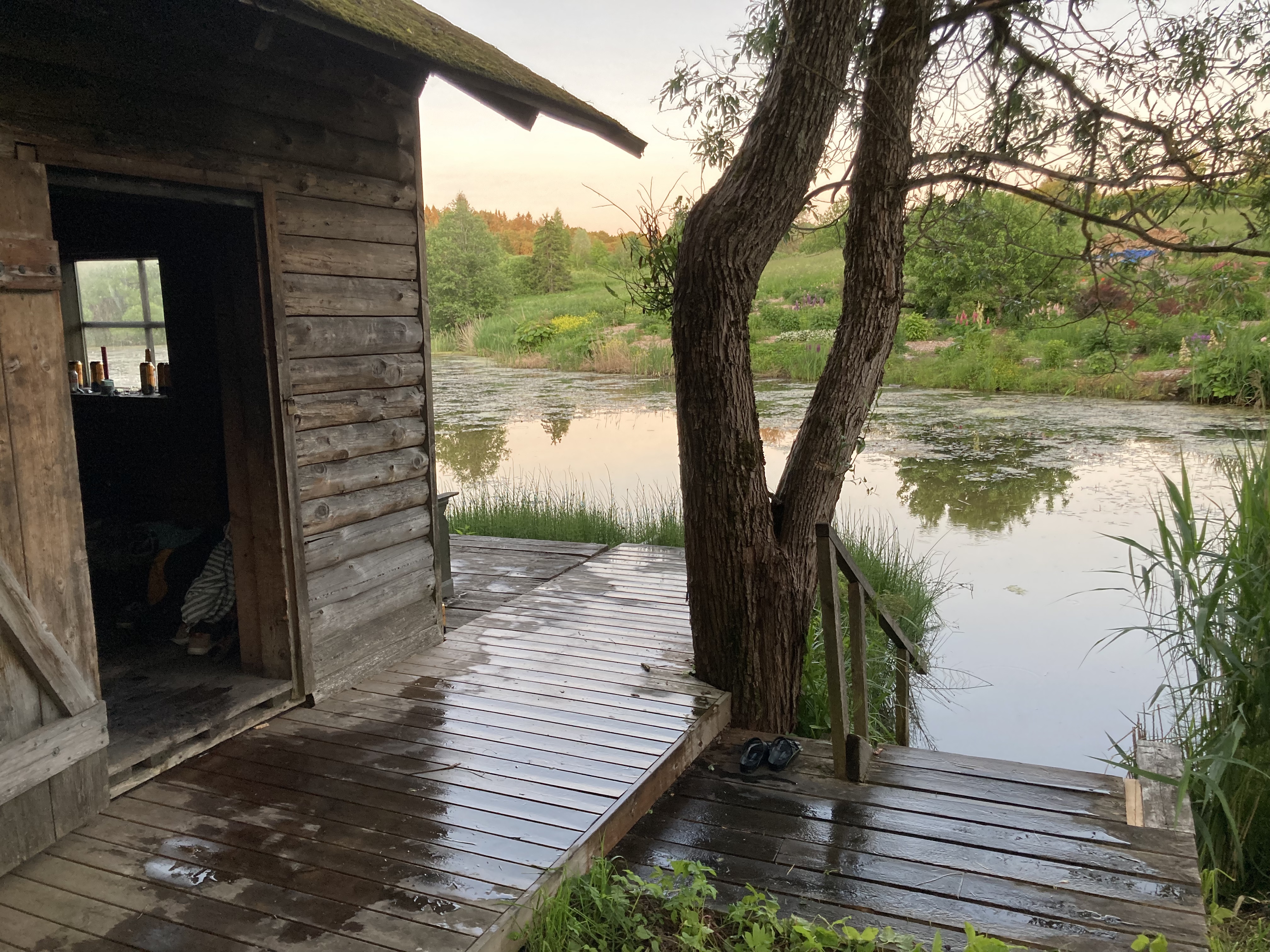
Besides learning a lot about translation and antimicrobial activities there was also time for a traditional Estonian smoke sauna, combined with a cold refresher in the nearby pond.
Collaboration with FIMM
Through the Nordic EMBL Partnership for Molecular Medicine 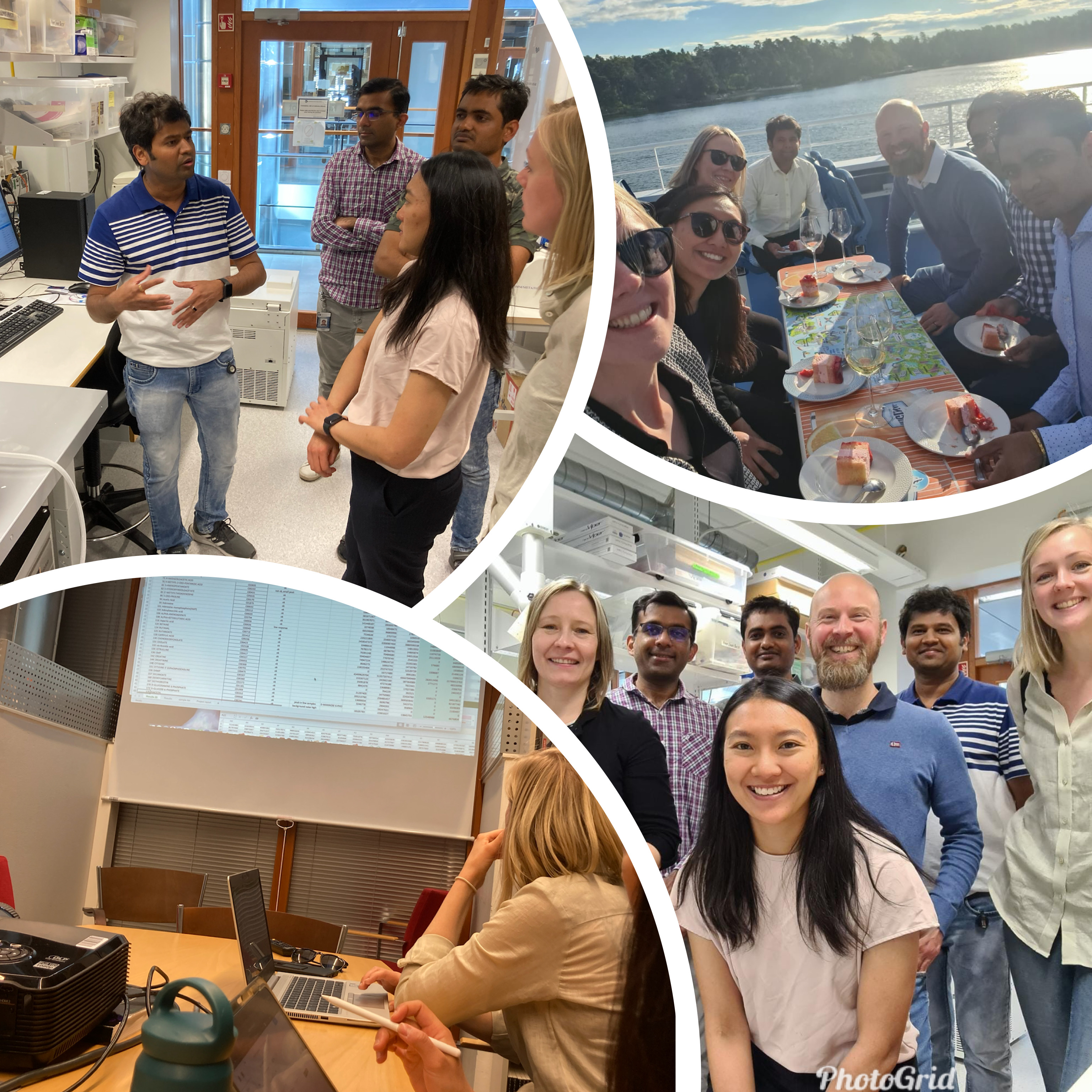 we have the great chance to collaborate with our other nodes in the Scandinavian Partnership.
So Sandra, Supapit and me took the chance and made our first group trip to
FIMM Helsinki to learn about metabolomics.
We learned a lot and already got some promising results from our preliminary analyses. So now we are really excited to dig deeper into the data and continue this new collaboration!
Excellence by Choice
We are delighted to announce that in the recent “Excellence by Choice” Postdoctoral Programme call, one of the successful candidates will join our team in the next months!
With the aim to strengthen world-class research activities in Umeå, Umeå Centre for Microbial
Research (UCMR) and Umeå Plant Science Centre (UPSC), the two national Centres of Excellence, launched the ‘Excellence by Choice’ Postdoctoral Programme (EC Postdoctoral Programme). The programme is funded by Knut and Alice Wallenberg Foundation, Kempe Foundation and Umeå University with Professor Emmanuelle Charpentier as patron and mentor of the programme.
Dr. Per Håkanssons Stiftelse and Kempe Stiftelse
We are very thankful to receive again a stipend from the Håkanssons Foundation for one of our research projects on the interaction of diet with the gut microbiota!
As last year, the stipend will be awarded during the “Näringslivsdag” in Eslöv/Sweden during the coming fall, and I am really looking forward to visit Eslöv again.
We are also extremely grateful to the Kempe Foundation which granted us a 2 year post-doctoral stipend to deepen our understanding of gut microbiota and mucus interaction.
The Kempe foundation is a strong supporter of research projects and research infrastructure in Northern Sweden
New Book Out!
I feel very honored to have contributed a  chapter on The Gut Microbiota and Host Metabolism to this new educational book on Evolution, Biodiversity and a Reassessment of the Hygiene Hypothesis, edited by Graham Rook and Chris Lowry.
At the beginning I was a bit hesitant whether I will have time to write this chapter, but when looking back now, I am very happy that I invested the time. And first of all, I am really excited to read all the other chapters about how microbes affect our life!
Visit Tartu University
Since 2021 I am the local coordinator of the EU twinning grant MIBEst (Molecular Infection Biology Estonia), a project to strengthen 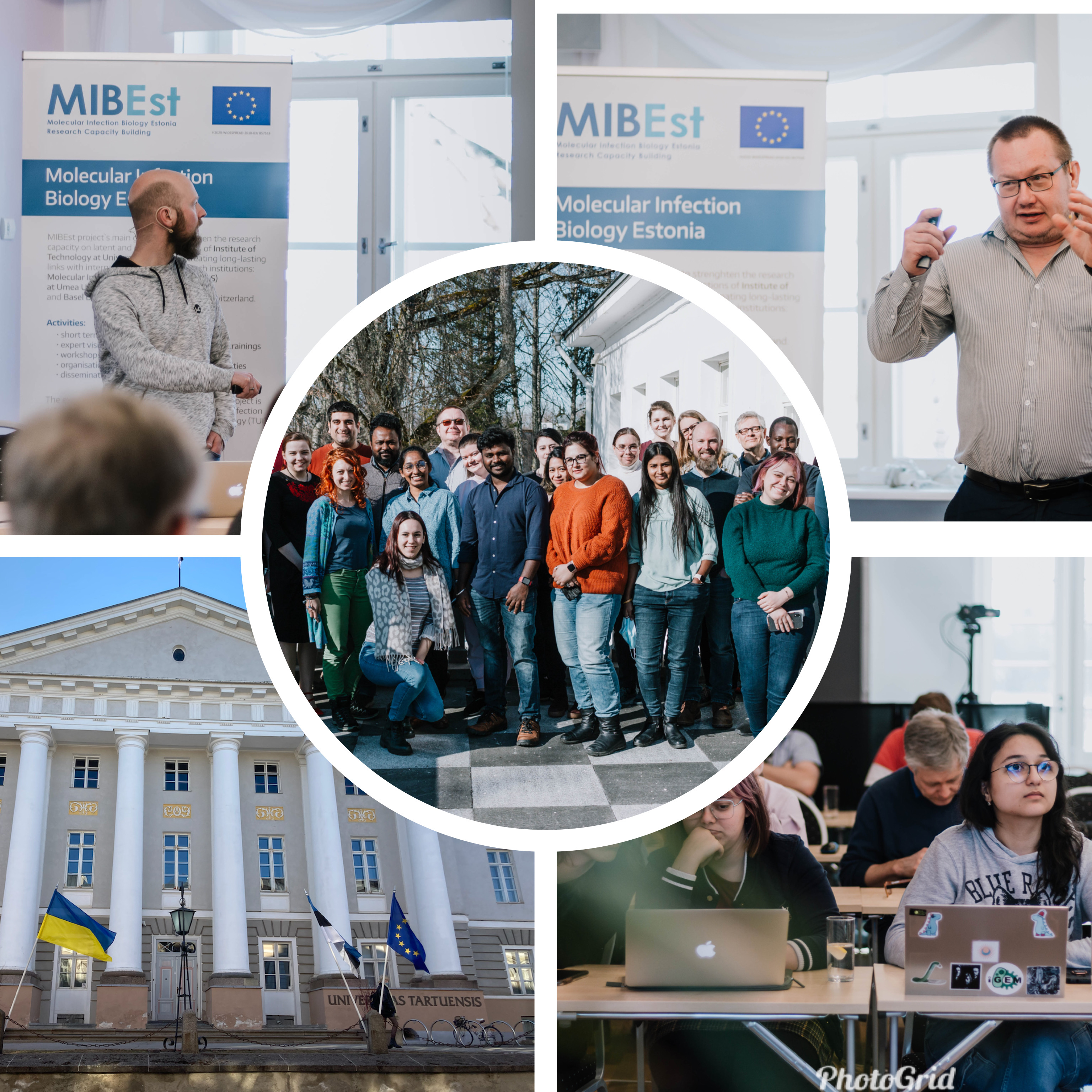 the research capacity on infections at the University of Tartu by creating long-lasting links with MIMS, Umeå, and the Basel Biozentrum in Switzerland.
Now I finally had the chance to visit the Institute of Technology (TUIT) at the University of Tartu for a winter school on “Anti-viral and anti-bacterial immunity, immunotherapy and vaccines”, a lecture course on “Biology of gut and urinary tract infections” and several interesting meetings and visits. And of course, in addition to having many great discussions, visiting Estonias second largest city and its oldest and most renowned university also allowed to see some architectural highlights.
First Lab Retreat!
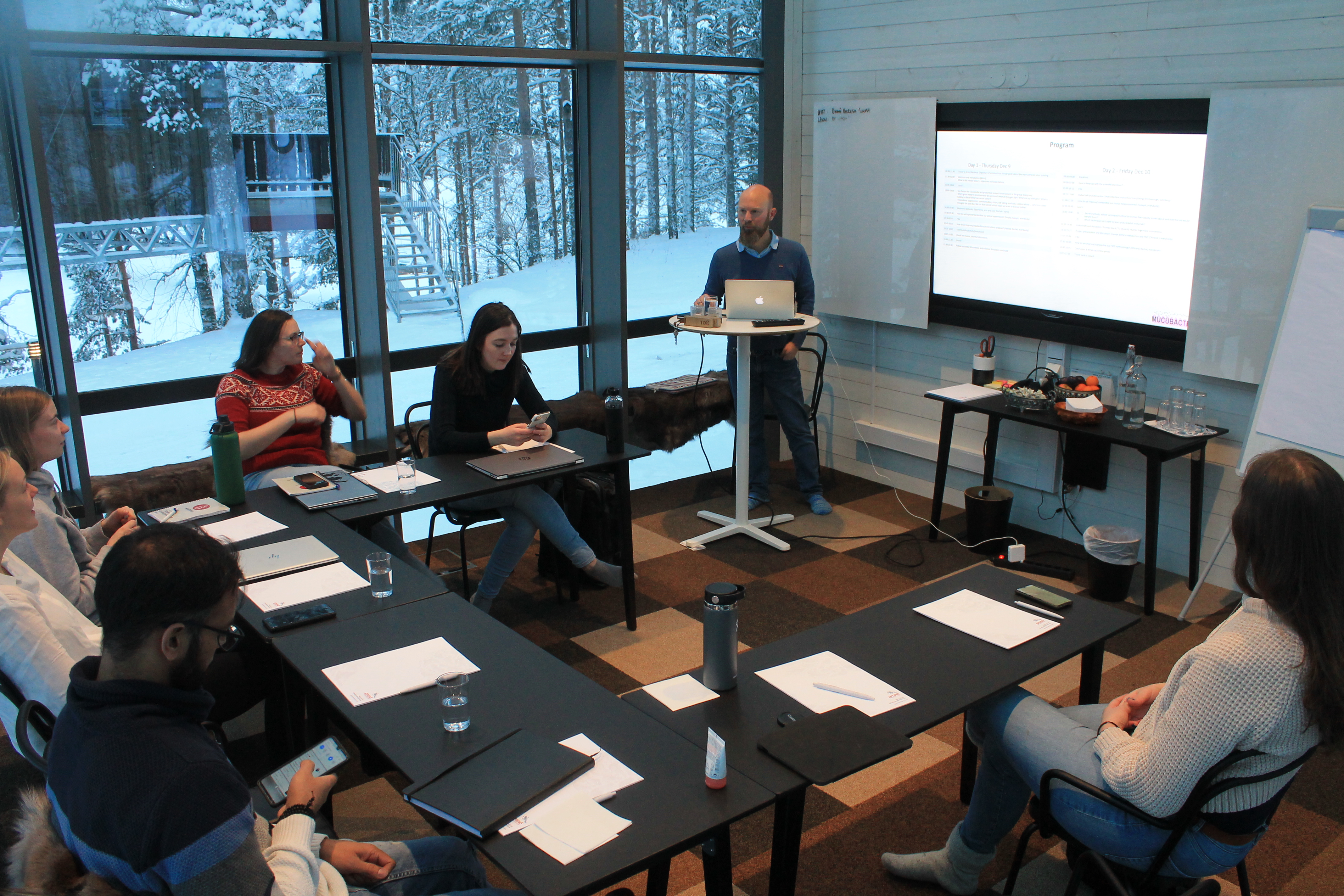
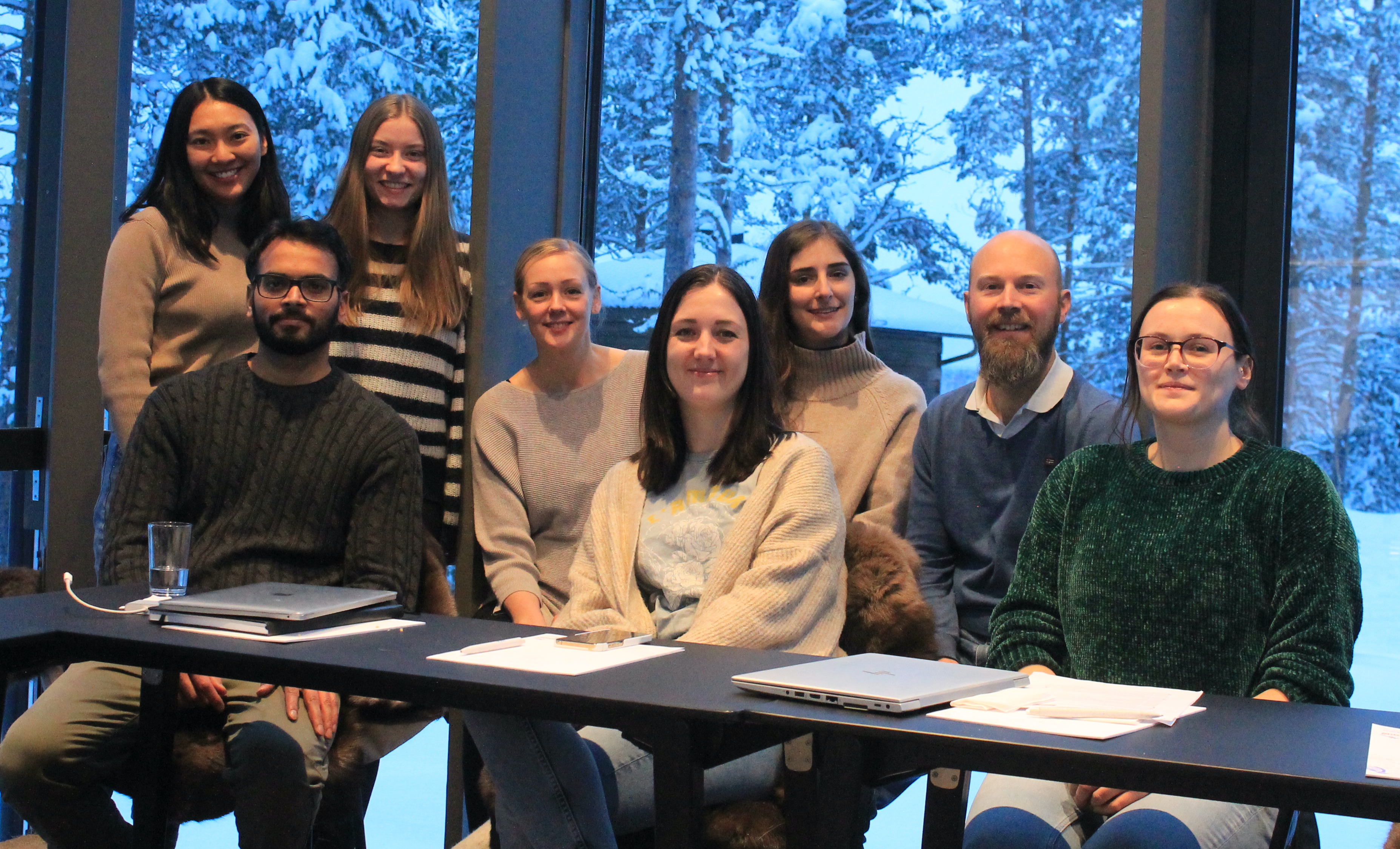
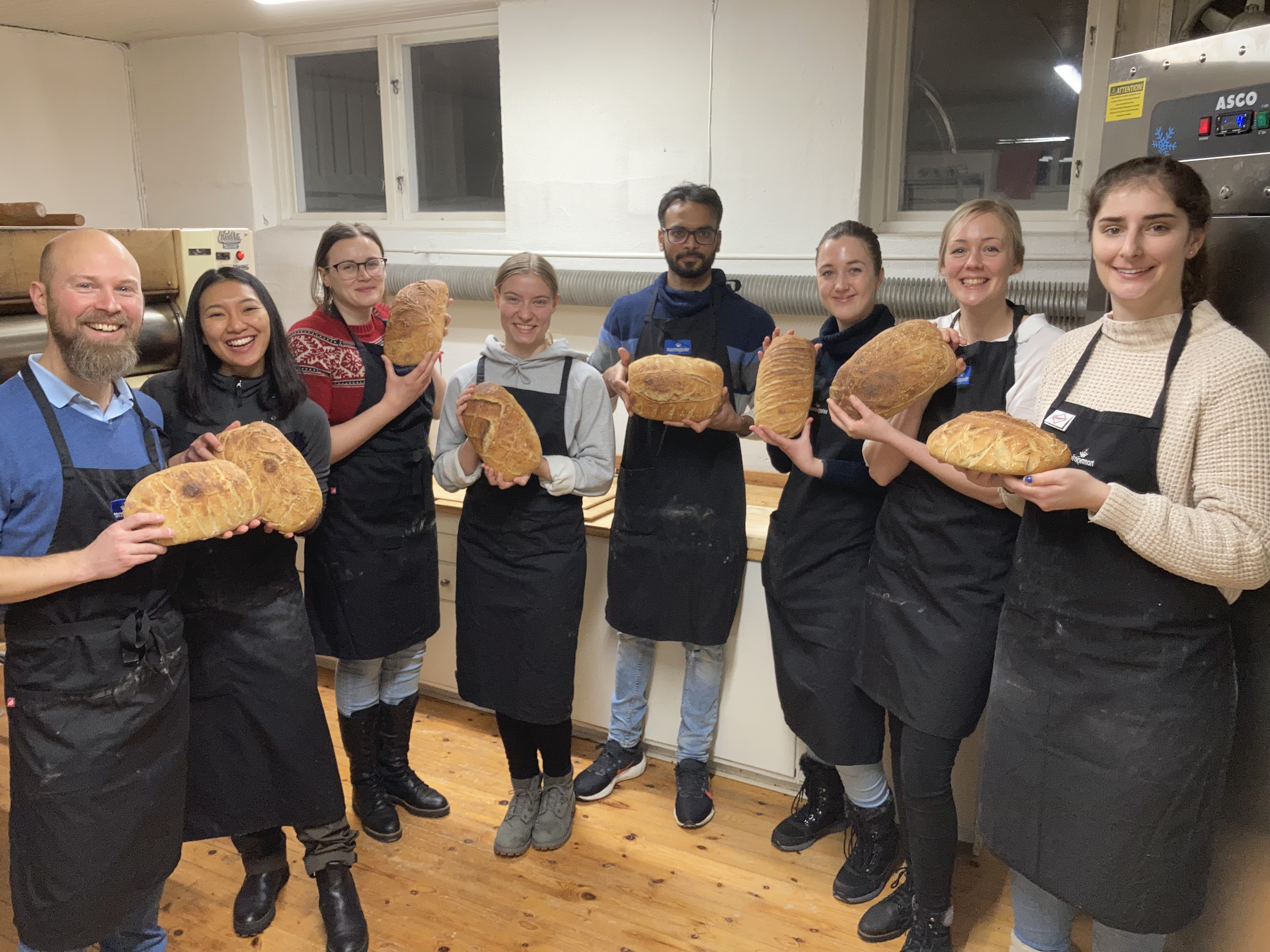
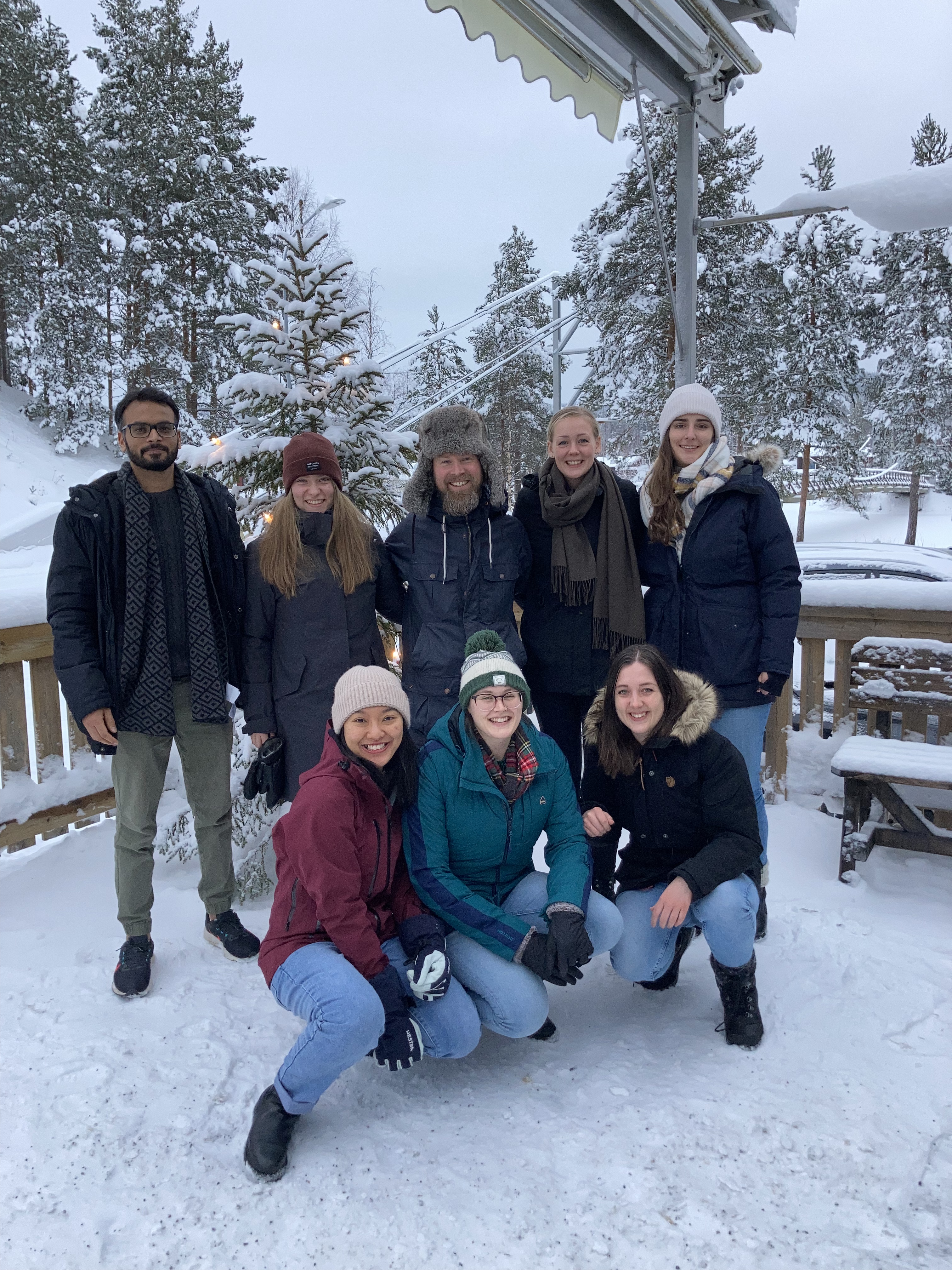
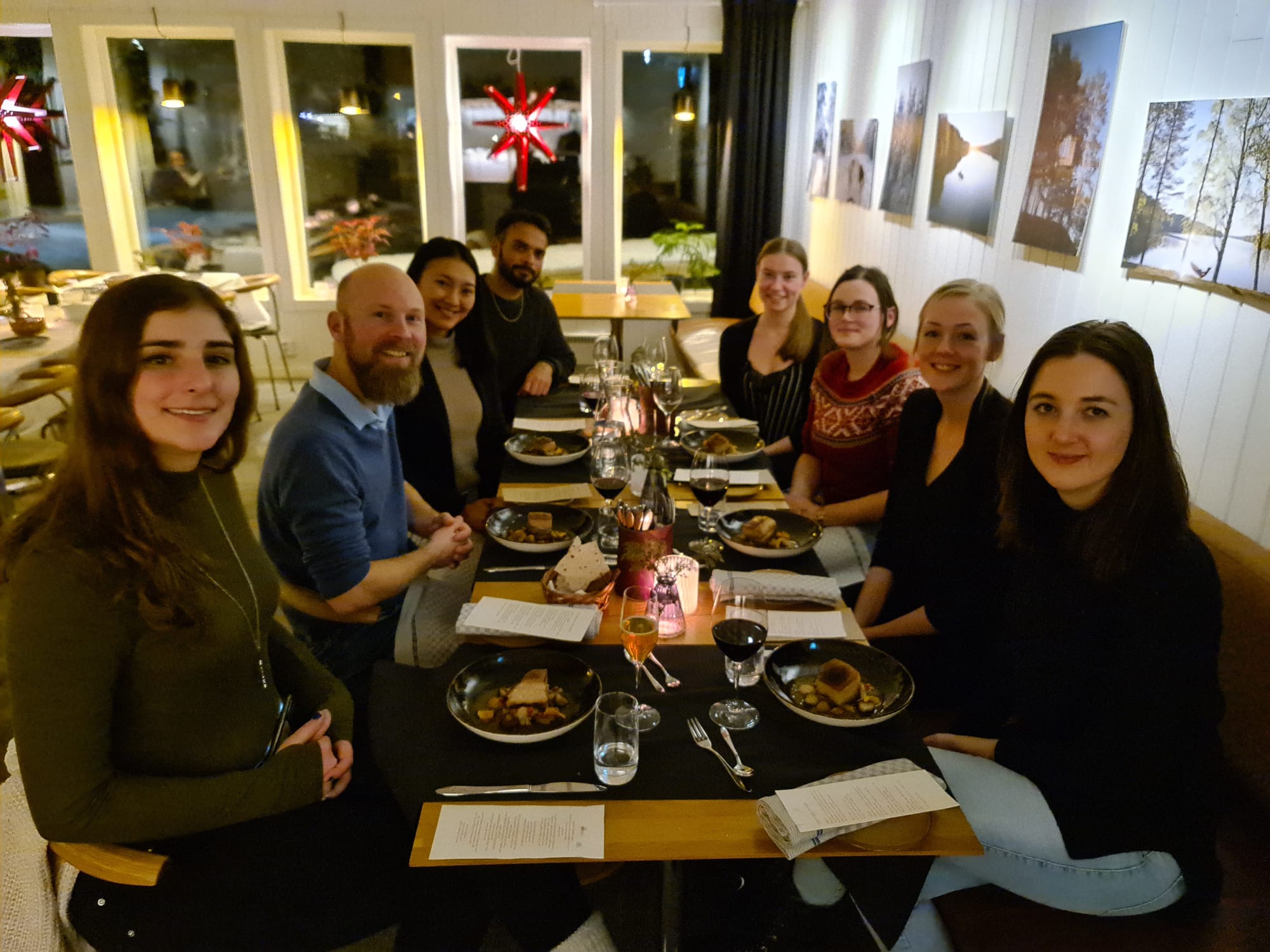
In December we finally had the chance to do our first lab retreat in Granö, located about 1,5h from Umeå. Besides intense discussions about lab organisation, specific methods and other important issues, we had the pleasure to be joined by two great invited speakers from Gothenburg and Munich to discuss some on-going projects.
Of course, when working with microbes and diet, some applied science needs to be included as well, so we got first-hand instructions how to make the perfect sour-dough bread.
KBC Days
Even though it was not in real live, presenting 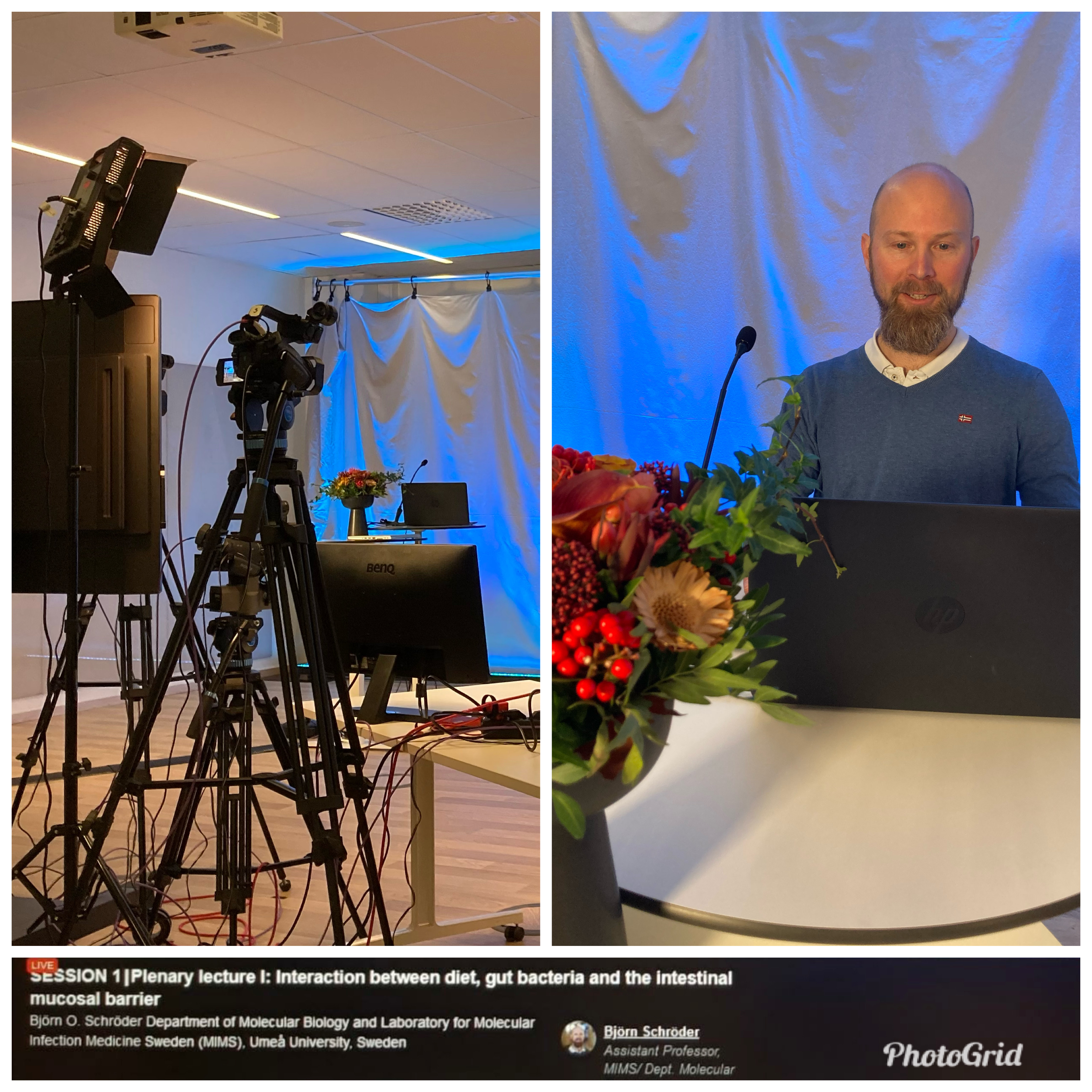 in a studio for the Chemical Biology Center days (“KBC days”) almost gave the feeling of a real conference again.
The KBC days at UmU are an annual interdisciplinary conference with the aim to foster collaborations between the different departments and research centres at Umeå University as well as from the Forestry Faculty from SLU.
This year, we are extremely proud that our PhD student Sandra won the competition about the 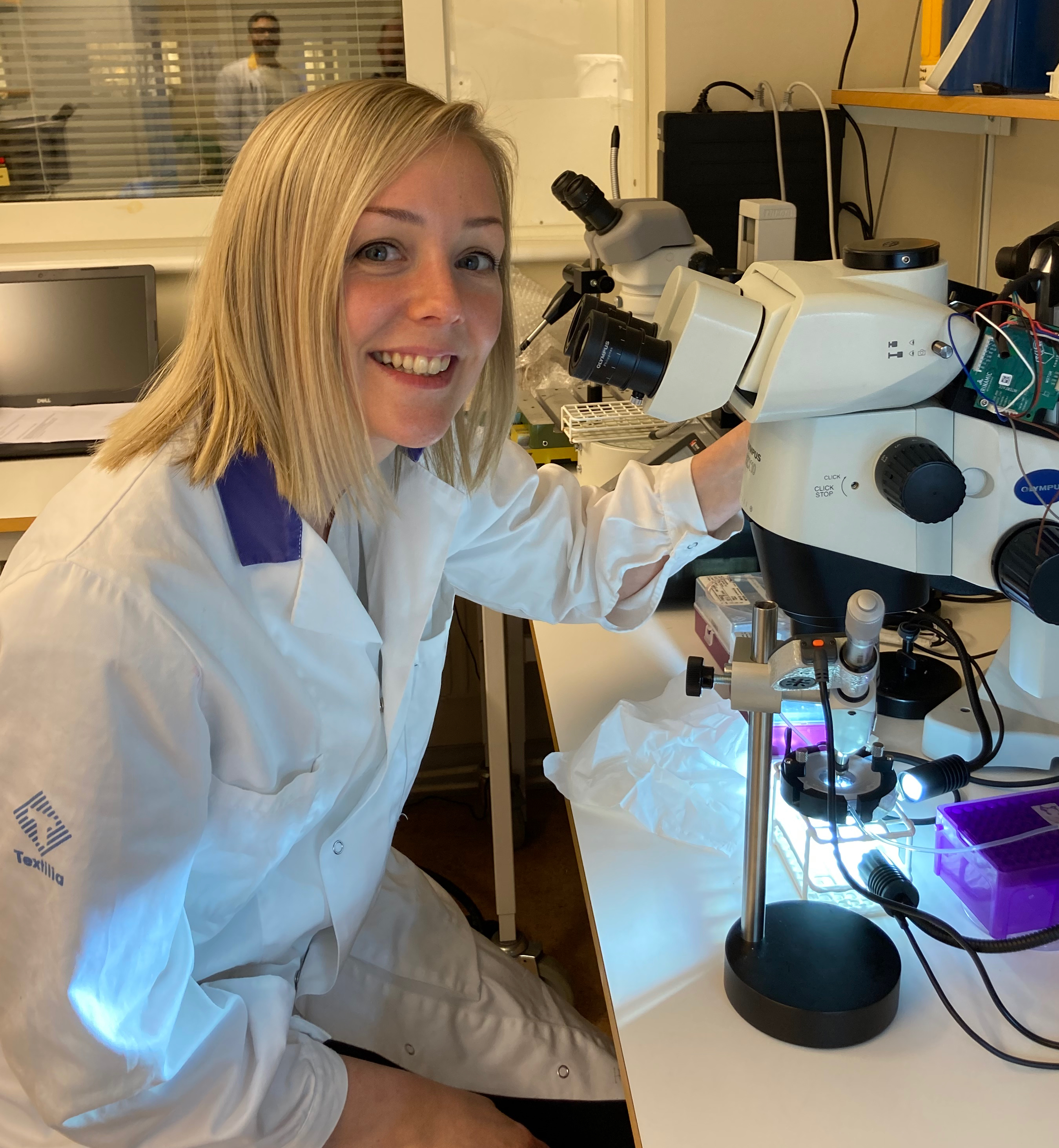 best video research pitch presentations! In the “Science Communication: Video Research Pitch” course, PhD students and junior Postdocs learned about presentation skills and how to become more effective in science communication. Sandra successfully used this training when presenting about Microbes, Mucus and Burgers and won the competition.
Big congratulations Sandra!!
Näringslivsdagar Eslöv
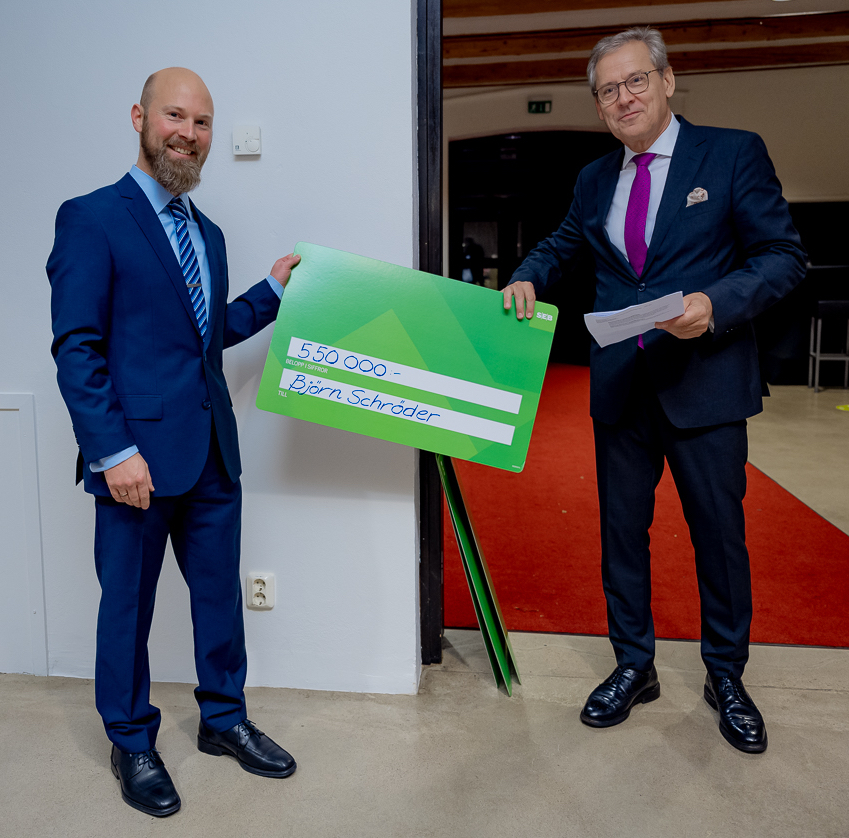
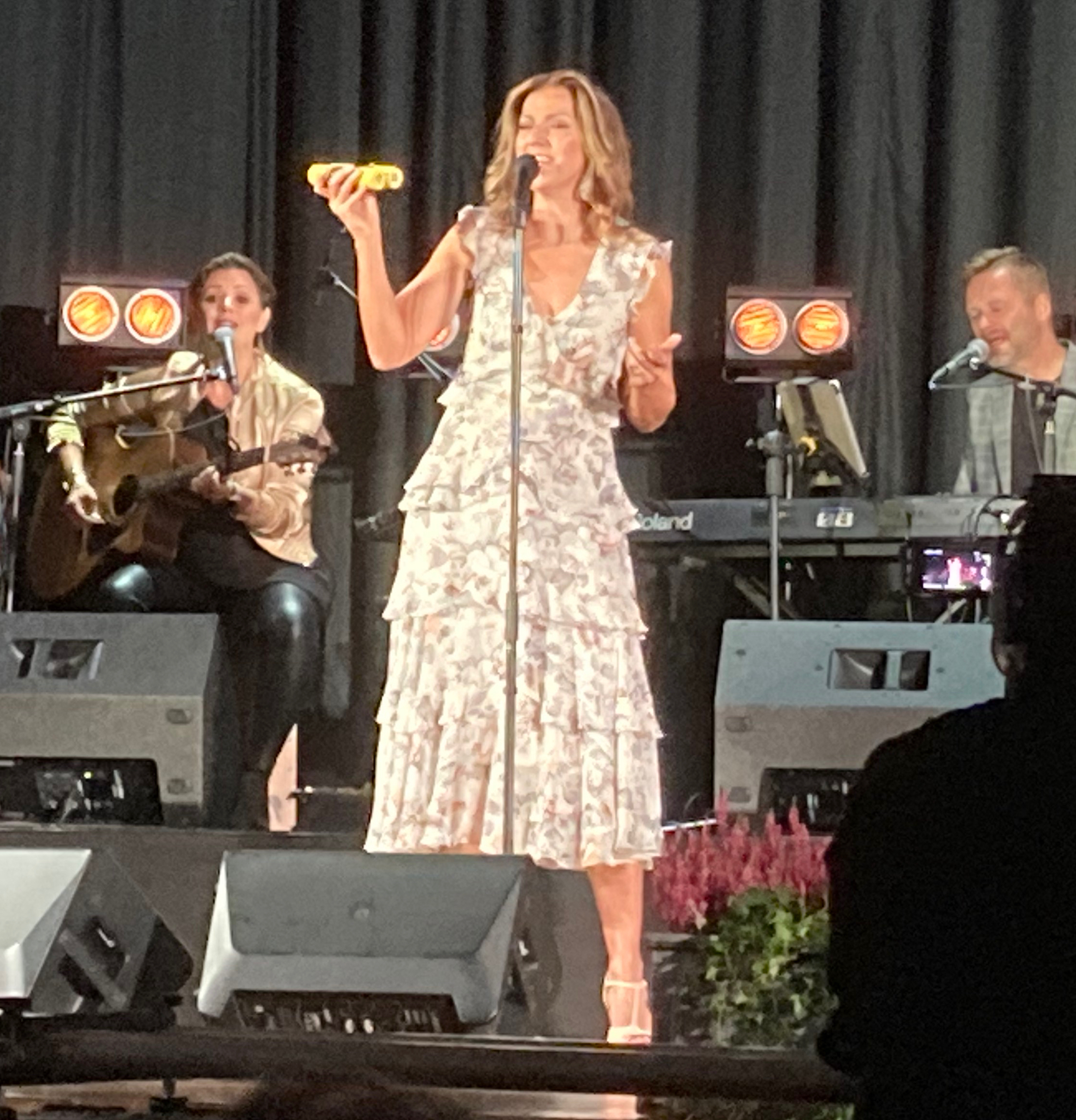
Finally a trip again! The first work trip after more than 1,5 years brought me down to Eslöv in Skåne to participate in the the Näringslivsdagar. The occasion was used to award the stipend from the Håkanssons Foundation for one of our research projects on the interaction of diet with the gut microbiota.

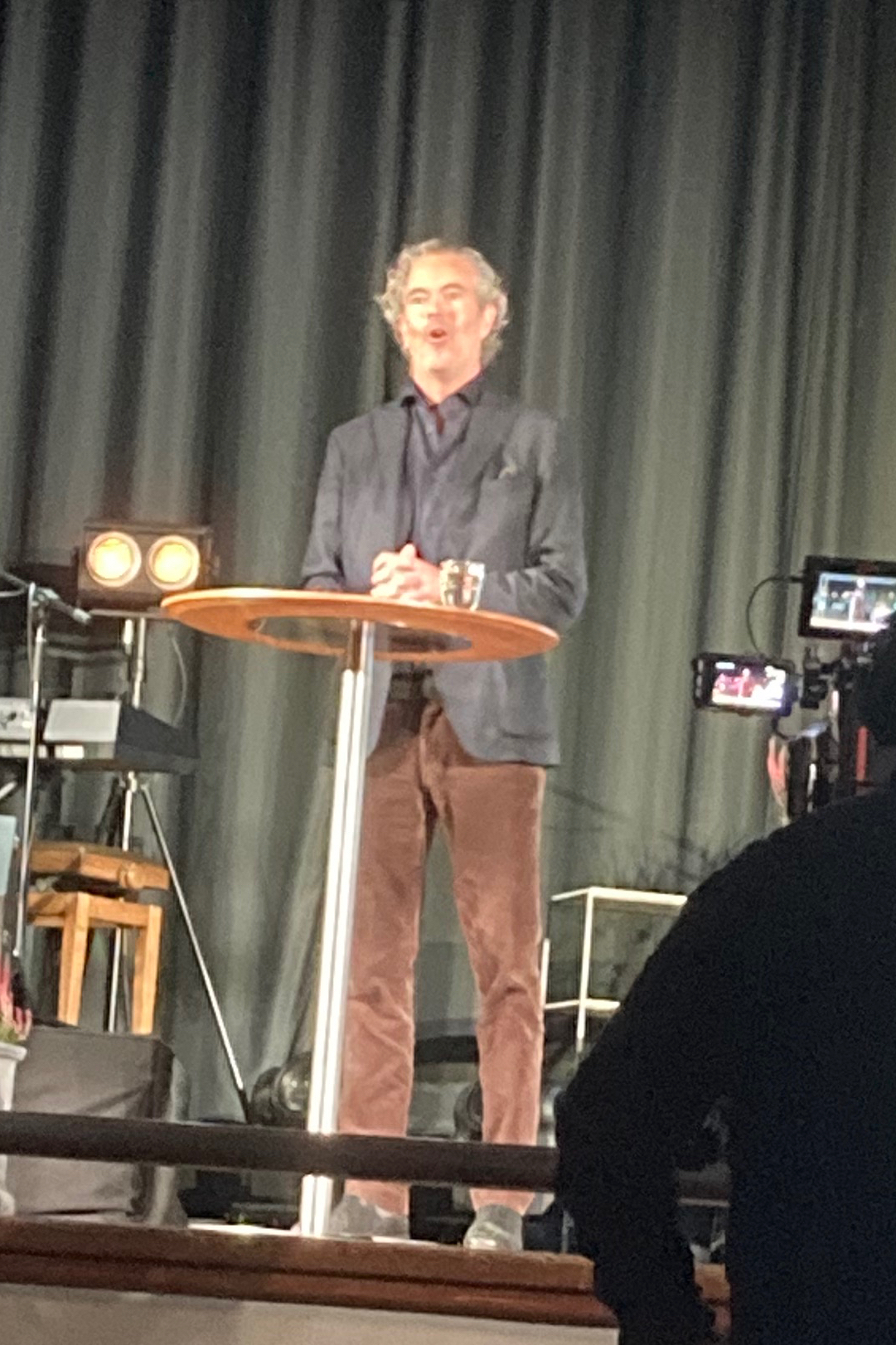
Welcome Rachel!
We are very happy that Rachel joined us during the middle of the bright Swedish summer as a project assistant!
Despite more complicated formalities with the UK, everything went extremely smooth with Rachels move from Oxford and we are now very glad that she can support the team with her knowledge on microbiome analyses. More infos about Rachels background can be found in our Team section!
Term final
Today we had our final student presentation 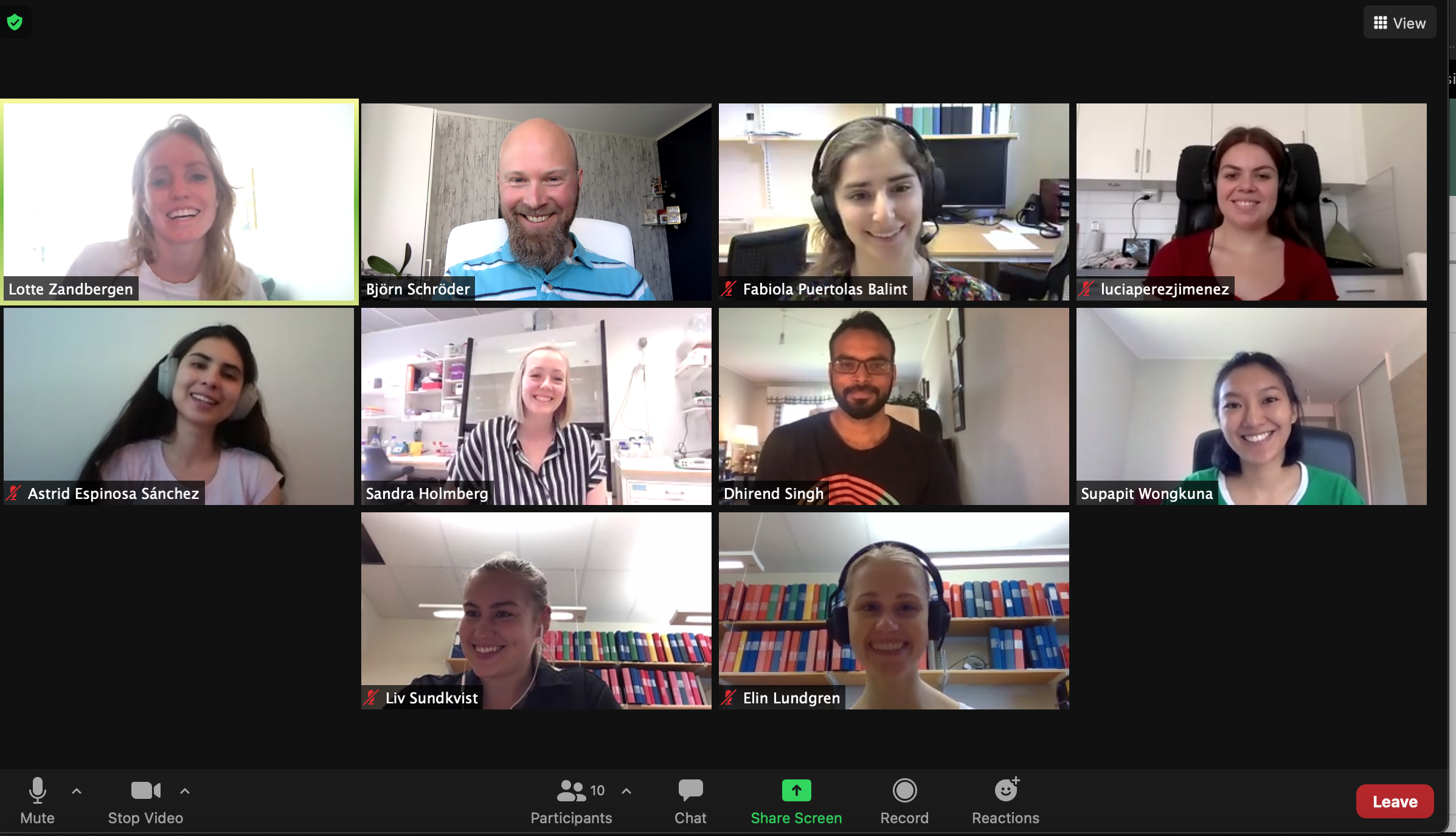 from the four excellent students that joined the lab during the last term, either for project courses or for their Master theses.
Thanks Lotte, Sophia, Lucía and Astrid for your great work in the lab over the last couple of month, and all the best for your next steps!
You will be missed!
Welcome Supapit!
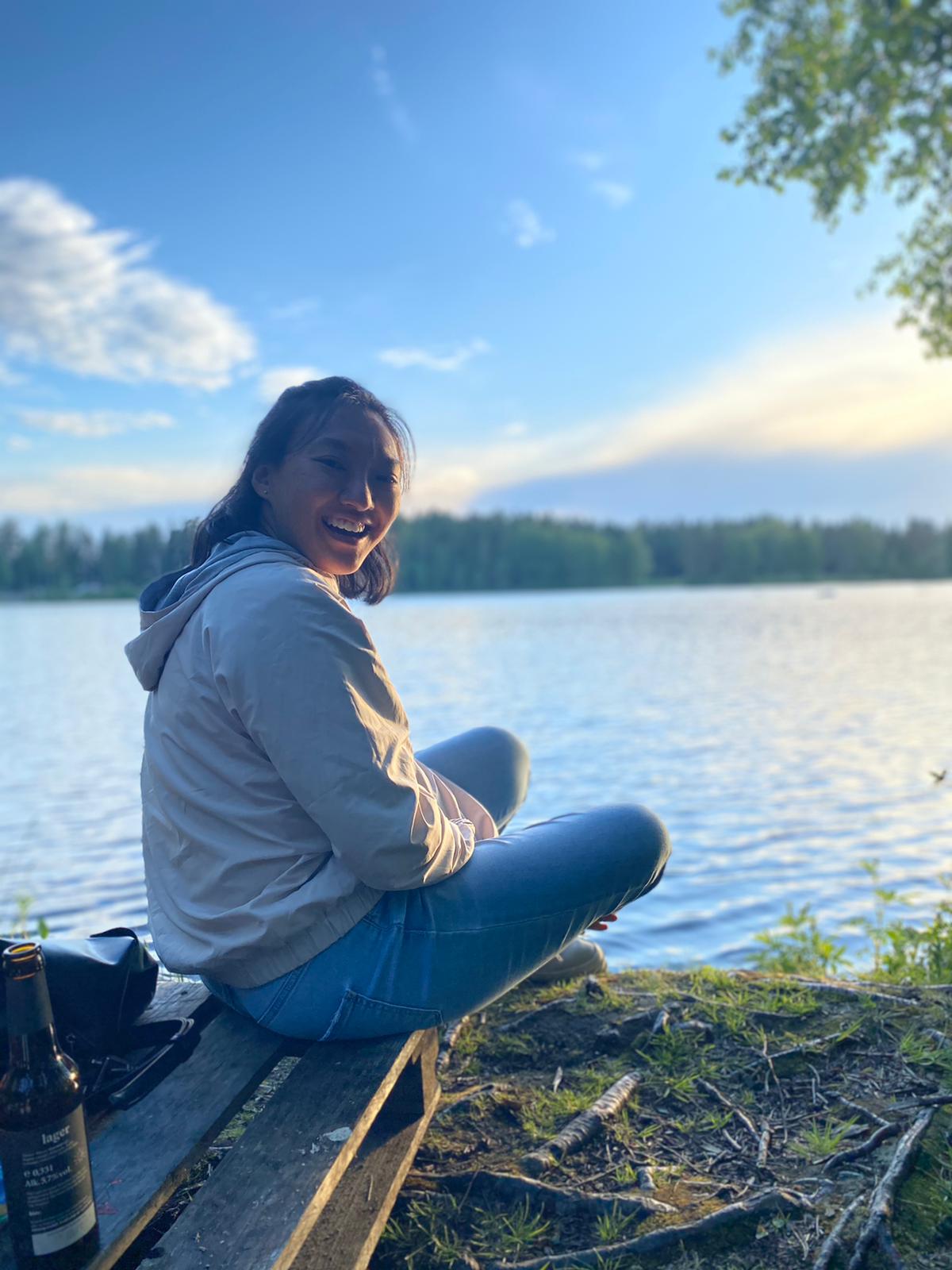 Right on time before Midsummer, Supapit joined the group as a post doc, and the team quickly introduced her to the nice spots around Umeå to enjoy the long, bright days.
Supapit, did her PhD at Mahidol University, Thailand and South Dakota State University in the US and studied several aspects of the gut microbiota in chicken. Here in Umeå she will keep working on gut microbiota, but the host organism will be exchanged.
More information about Supapit and the current group can be found in our Team section!
Welcome Sandra!
We are very happy that Sandra Holmberg joined the group as the second PhD student! Sandra studied Biomedicine at Umeå University and has already a lot of practical lab experience through several research projects and working in the biotech industry.
Sandra will be working with us as well as with the group of Ulrich von Pawel-Rammingen here at Umeå University, and more information about her and the rest of the current group can be found in our Team section!
Dr. Per Håkanssons Stiftelse
I am very happy to announce that we have been awarded with a stipend from the Håkanssons Foundation for one of our research projects on the interaction of diet with the gut microbiota!
The Dr Per Håkanssons foundation has since 1920 distributed stipends and grants for scientific research in the fields of medical chemistry, physiology and food chemistry.
I am really looking forward to receive the stipend during the “Näringslivsdag” in Eslöv/Sweden during the coming fall.
Nanna Svartz Grant and DBT course
We are happy and grateful to have received financial support from the Professor Nanna Svartz foundation, a foundation that supports research with a focus on internal medicine!
Also, end of January we completed our participation in the 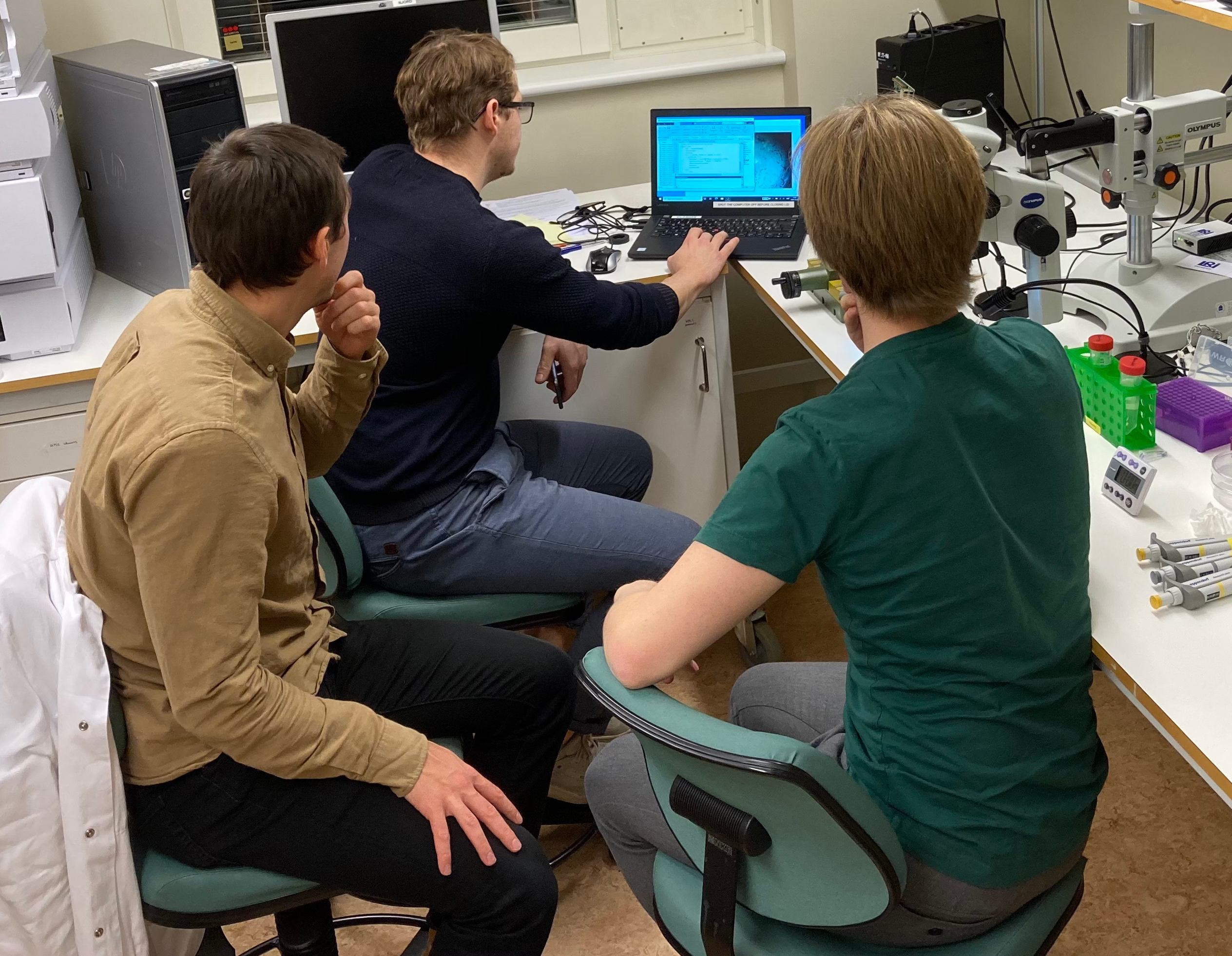 Design-Build-Test course, in which we hosted 6 students from the engineering physics and biotechnology programs over 5 months. The creative students worked in an interdisciplinary group to develop novel measuring approaches that might facilitate our lab work in the future. We thank the six students for their great work and a really nice prototype!
PhD course on the microbiome completed!
This week we organised a course on the Microbiome for the National Doctoral Programme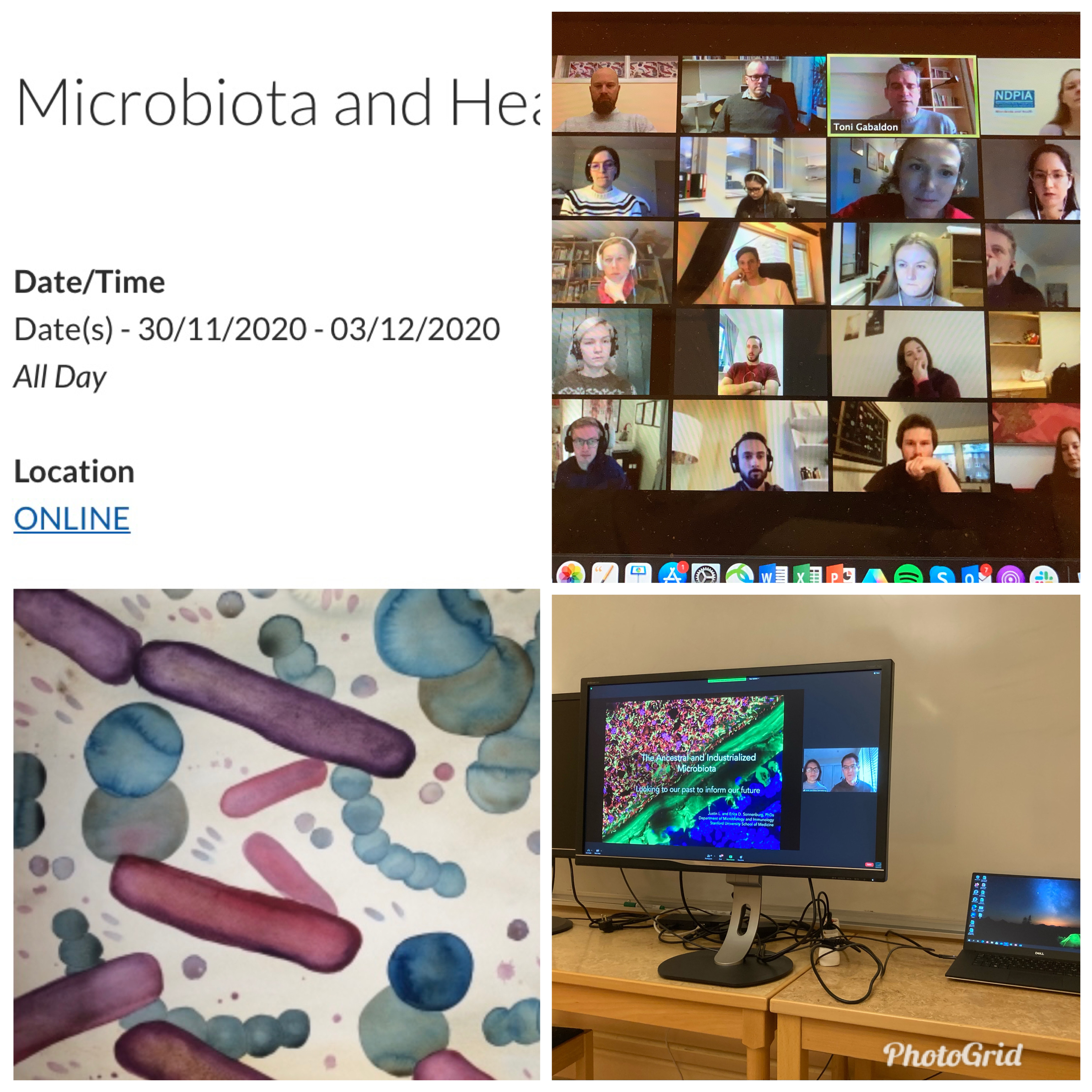 in Infection and Antibiotics (NDPIA). While the pandemic made a physical meeting impossible, this first online course gave us instead the chance to offer an incredible line-up of speakers, which included several pioneers in microbiota research.
We were initially a bit sceptical whether we would get sufficient interaction and questions by the participants, but this group really exceeded our expectations so much and we are still overwhelmed by the quality and active participation of the students.
Calls for continuation!
Movie for the Researchers Night!
Today the lab became part of a movie scene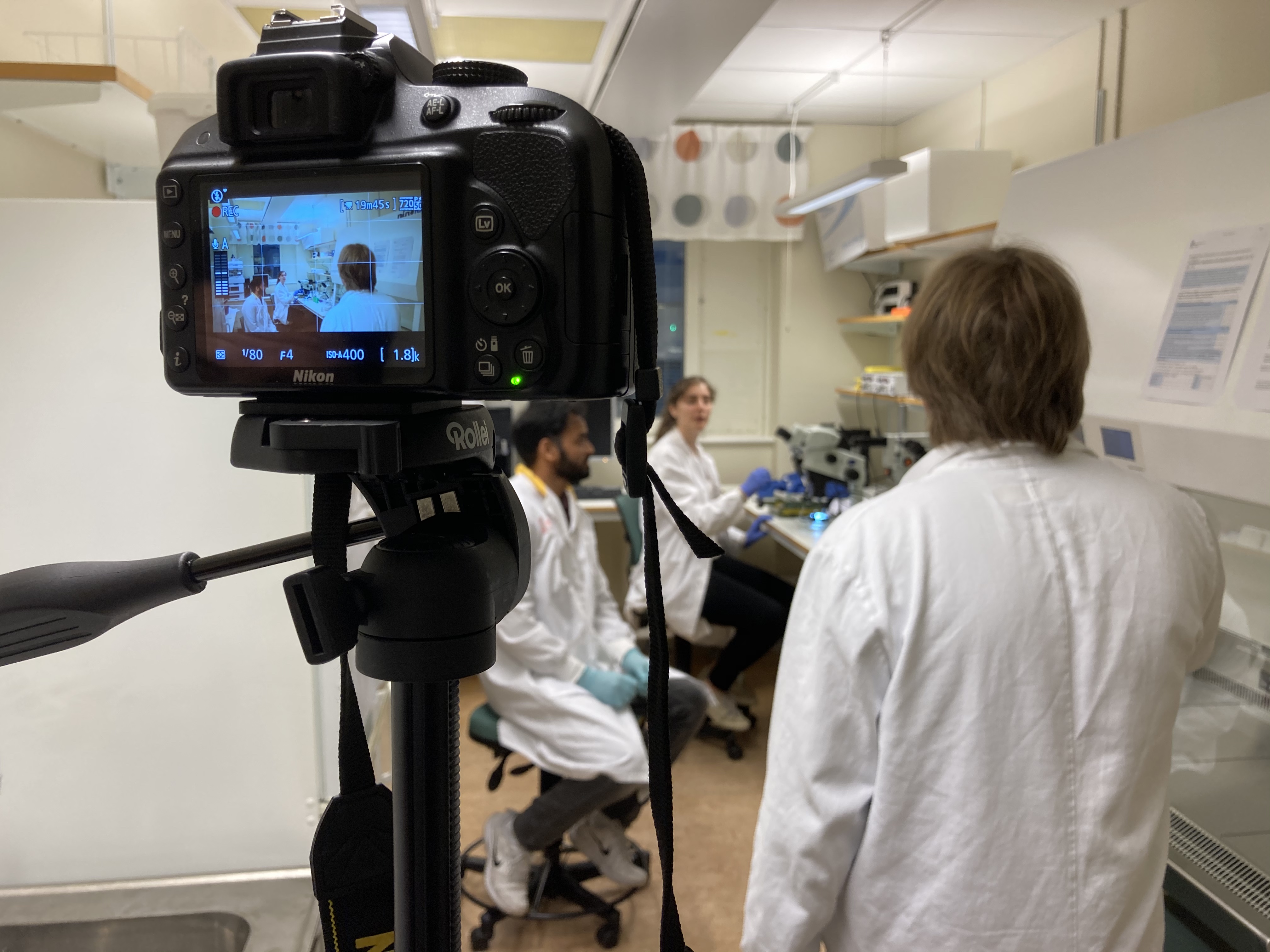 that is planned for the upcoming Researcher’s Night (Forskar Fredag) at the Curiosum, Umeå’s new science center for children and adults.
Fabiola and Dhirend are looking into the intestine and see very nice structures of villi covered with mucus, but is this everything? Can they help MIMS-director Oliver Billker to find what he is looking for? You might find out on
Forskar Fredag in a few weeks!
Nobel prize to research from MIMS!!
This years Nobel prize in Chemistry was awarded to Emmanuelle Charpentier and Jennifer Doudna,
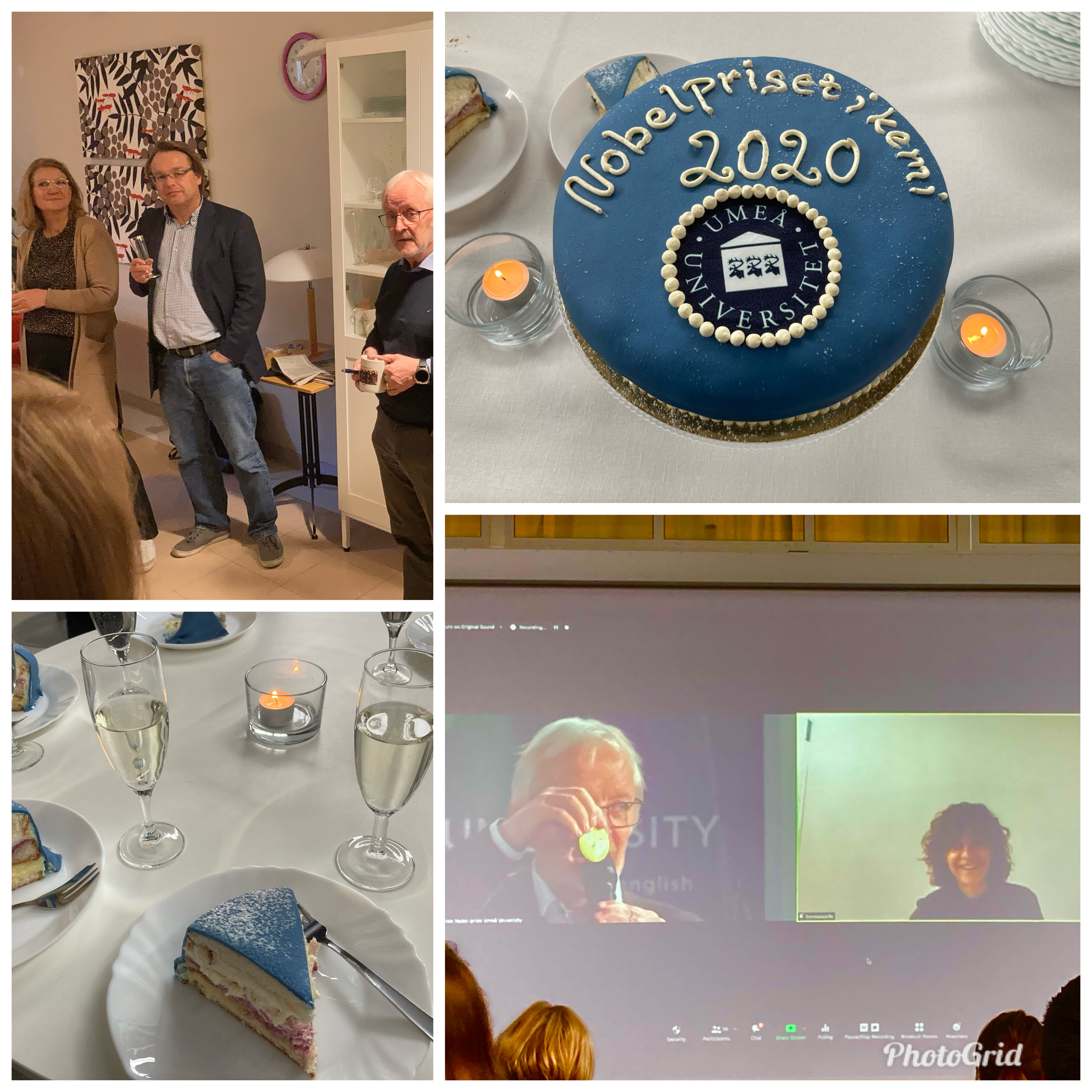 for their groundbreaking work on the CRISPR-Cas9 gene editing technology.
Emmanuelle Charpentier is a honorary doctor at Umeå University and has been the first group leader at the Laboratory for Molecular Infection Medicine Sweden (MIMS). Part of her fundamental discoveries leading to the Nobel Prize were made here in our department, and of course, everybody here at MIMS and Umeå University is very happy and proud, calling for a little party. Emmanuelle joined via Zoom and shared some good memories about her time up here in Umeå.
Congratulations again!!
Mucus defects in genetically obese mice!
In our latest manuscript we show that  obesity-associated microbiota contributes to mucus layer defects in genetically obese mice. While it was previously thought that gut microbiota deteriorate the mucus layer only in the absence of dietary fibre, we now describe that genetically obese mice have a similar mucus defect in the large intestine, even when the diet contains a lot of fibre. Find the full story now published in the Journal of Biological Chemistry .
Welcome Sophia!
 After defeating several obstacles due to the COVID19 pandemic, Sophia Geiger finally joined the lab in September as a rotation student. Sophia studies biochemistry at the University of Tübingen in Germany and will support the team with her biochemical expertise and her background on nutrition. Directly after joining the lab, she was already curious how intestinal mucus looks like under the microscope. Find more information about Sophia and the rest of the current group in our Team section!
Welcome Liv and Elin!
This summer Liv and Elin joined the group as “Forskaraspiranterna“, an undergrad fellowship program from the Medical Faculty. As Forskaraspiranterna Elin and Liv will actively join the group in three consecutive summers and get first hands-on lab experience to complete their own research projects. Learn more about the two Forskaraspiranterna in our
Team section!
Does an Apple a Day Also Keep the Microbes Away?
So great to see that Fabiolas Review is now published in Frontiers in Immunology.
In the article we review the interaction between diet, microbiota, and host defense peptides,  including antimicrobial peptides, at the intestinal mucosal barrier. We discuss how HDP expression can be modulated by specific microbes and their metabolites as well as by dietary factors, including fibers, lipids, polyphenols and vitamins. Also, we identify several dietary compounds that lead to reduced HDP function, but also factors that stimulate HDP production in the intestine.
NRSCID and a Biotech grant!
We are extremely happy that Fabiola has been selected to join the National Research School In Chronic Inflammatory Diseases for the upcoming years! The NRSCID is funded by the Swedish Council of Research and will provide high quality research training for PhD students in a clinical environment.
And even more good news: We were awarded a Basic Science-Oriented Biotechnology Research Grant from the Medial Faculty of Umeå University! The grant will support our research for the next two years.
Gastroenterology Report!
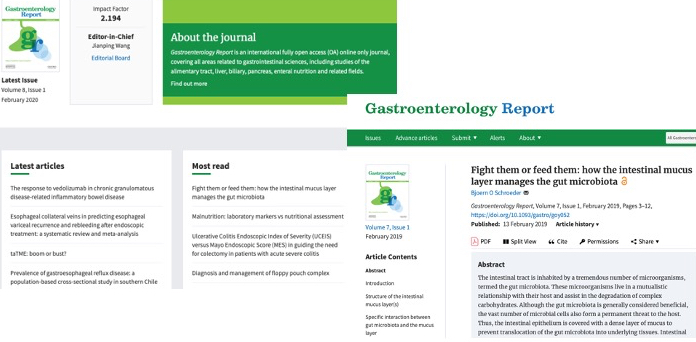
I am honoured to be invited to join the Editorial Board of Gastroenterology Report , an international open access journal that covers all areas related to gastrointestinal sciences.
On that note, I am extremely happy to see that my Review on the interaction between gut microbiota and mucus function from February 2019 is still the most read article in that journal.
Welcome Paul!
Beginning of February Paul Tetteh Asare joined the lab as a post-doc. He will work on intestinal mucus function and its relation with the gut microbiota.
Paul obtained a Bachelor in Agriculture in Cape-Coast, Ghana, and a Master in Food Science and Technology from Chonbuk National University in South Korea before doing his PhD in Food Biotechnology at the ETH Zurich in Switzerland. Now Paul moved up north to join the growing team in Umeå.
Welcome Hanna, Lotte and Dhirend!
Now it’s getting crowded! Mid of January Hanna Lee, Lotte Zandbergen and Dhirendra Singh joined the group. Hanna is a dietitian and a self-proclaimed food connoisseur from UC Davis/USA and will stay in the group as a guest researcher for 10 weeks. Lotte is studying Cardiovascular Research at the VU University in the Netherlands and will perform her Master thesis in the lab.
Dhirend is finishing his PhD on fungal infections at the University of Szeged in Hungary and now joins the lab as a post-doctoral fellow. Here in Umeå all three will focus on the effect of diet and gut microbiota on mucus function. Read more about the “new arrivals” in our
Team section.
Welcome Fabiola!
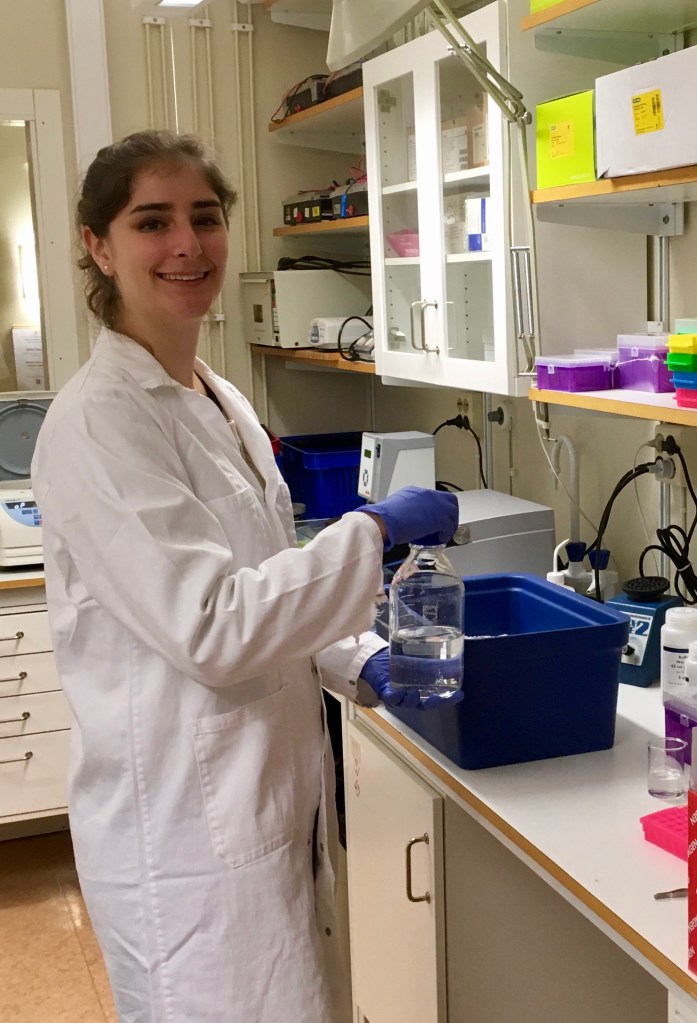 Mid of October Fabiola Puertolas-Balint joined the lab as a project assistant. She will work on intestinal antimicrobial peptides and their interaction with the gut microbiota.
After finishing her Bachelor in Pharmaceutical sciences in Puebla/Mexico Fabiola did her International Master in Innovative Medince in Groningen/Netherlands and Uppsala/Sweden and now already started her first experiments here in Umeå.
We have been featured in 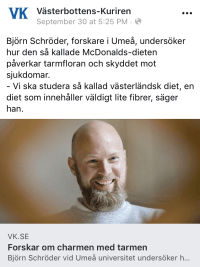 a nice portrait in Västerbottens-Kuriren, Norrlands biggest daily news paper. Really great to see that our research is interesting for the community up here.
If you are interested, you can find the article here (in Swedish).
The setting-up of the lab is still continuing, but we are on a good way. Top candidates for the positions mentioned below have been invited and partly selected, so we are not actively recruiting post-docs and PhD students at the moment. But of course, it might be possible to join the lab with own independent funding.
From spring 2019, the Schroeder lab will be based at The Laboratory for Molecular Infection Medicine Sweden (MIMS) within the Nordic EMBL Partnership for Molecular Medicine, located at Umeå University at the beautiful east coast of Sweden. Our focus will be on the interaction between diet, gut microbiota and the intestinal immune system.
We are currently recruiting postdocs, one PhD student and motivated students. Please check our recruitment ads for details!
 Bjoern O. Schroeder lab at Umeå University